
Guide to Unique Service Pages for Realtors and Developers

How to Handle Service Page Duplication Across Cities: A Guide for Realtors and Developers Estimated reading time: 5 minutes Understand the need for unique service pages to enhance SEO. Leverage AI for content generation and streamlined marketing efforts. Implement local SEO strategies for each service page. Monitor performance analytics to refine your approach. Partner with a digital marketing agency to enhance your strategies. Table of Contents Understanding the Importance of Unique Service Pages Common Misconceptions About Service Page Duplication Strategies to Handle Service Page Duplication The Role of a Digital Marketing Agency Conclusion: Embrace Innovation and Local Focus FAQ Understanding the Importance of Unique Service Pages Having distinct service pages for different cities is key for businesses aiming to tailor their offerings to local markets. For instance, real estate marketing strategies in Burnaby might differ vastly from those in North Shore, given the unique demographics and property values of each area. Without unique pages, you risk confusing search engines, which can hinder your visibility in search results, negatively impacting your lead generation efforts. Common Misconceptions About Service Page Duplication Many professionals mistakenly believe that having similar service pages can save time and resources. However, search engines penalize duplicate content, leading to diminished rankings. It’s not just about avoiding penalties; unique pages allow for richer content tailored specifically to local customers. This can enhance user engagement and trust, critical factors in getting real estate leads. Strategies to Handle Service Page Duplication Here are some actionable strategies to manage service page duplication effectively: 1. Create Unique Content for Each Location While it may seem simpler to duplicate content across service pages, unique content tailored to each city will provide greater value. Use local terminology, discuss specific community features, and emphasize your understanding of local regulations and market nuances. For example, when discussing real estate marketing tactics for Vancouver, highlight specific challenges or opportunities present in that urban landscape. 2. Utilize AI for Content Generation AI-generated marketing content can significantly reduce the workload associated with crafting unique pages. By leveraging AI tools, you can automate parts of the content creation process while still ensuring quality and relevance. Using AI for digital marketing allows you to maintain a consistent brand voice while tailoring your messages for different audiences efficiently. Consider AI-driven solutions like content management systems (CMS) that enable this level of customization. 3. Optimize Each Page for Local SEO Each city service page should incorporate locally relevant keywords without compromising readability. Focus on keywords specific to the location, including “real estate in Burnaby” or “Vancouver realtor services.” A strong approach includes SEO optimization tactics such as using meta tags, local backlinks, and well-structured URLs. Link to resources that reinforce your authority in both general and specific contexts, like this blog. 4. Implement AI Automation for Site Management AI and marketing automation can streamline the management of your service pages. Tools that offer marketing workflow automation, such as automated email campaigns and social media marketing integrations, can enhance user engagement and nurture leads more efficiently. By automating repetitive tasks, you can focus on creating compelling content and refining user experiences across your service pages. 5. Monitor Performance Analytics Utilize tools like Google Analytics and AI lead generation platforms to track the performance of your service pages across various cities. Monitoring metrics such as traffic sources, user behavior, and conversion rates can help you identify which pages are most effective and which require improvement. This insight can guide your ongoing marketing strategy and content adjustments. 6. Develop a Centralized Strategy for Marketing with AI A centralized approach using AI can help you manage the entire lifecycle of your service pages, from creation to optimization. AI tools can assist with keyword research, content analysis, and market trend identification, enabling you to create informed strategies tailored to each city’s unique real estate market. This approach can enhance your overall marketing efficiency. The Role of a Digital Marketing Agency As a leading marketing agency specializing in the construction and real estate sectors in Vancouver, Annex Digital provides comprehensive solutions tailored to local businesses. With expertise in website design, search engine optimization (SEO), and online marketing strategies, we can help your business overcome the challenges posed by service page duplication. Our team understands the intricacies of the Vancouver market and can provide invaluable insight into developing effective marketing strategies. If you are looking to refine your approach to service page duplication or explore how AI can optimize your marketing efforts, you can contact us for a consultation. Conclusion: Embrace Innovation and Local Focus Handling service page duplication is an ongoing challenge for real estate agents, developers, and construction firms. However, with strategic planning, the use of intelligent automation, and a commitment to local SEO practices, you can enhance your web presence and attract the right clients. In an industry where local market knowledge is crucial, creating unique service pages is not just beneficial; it’s essential. Explore how we can help your company make a significant impact by leveraging cutting-edge digital marketing solutions. Visit our portfolio for examples of our successful projects, or check our services to learn more about how we can assist your business growth. Start transforming your service pages today – harness the power of unique content, AI, and our specialized marketing expertise! FAQ Q: Why is unique content important for service pages? A: Unique content helps avoid penalties from search engines for duplication, improves SEO, and enhances user engagement. Q: How can I automate my marketing efforts? A: By utilizing AI automation tools, you can streamline tasks like content creation, email marketing, and social media management. Q: What role does a marketing agency play in my strategy? A: A marketing agency can provide expertise in local market nuances, assist in developing effective marketing strategies, and help manage service pages.
Strategic Content Planning for Vancouver Permit Timelines
How to Plan Content Around Vancouver Permit Timelines Estimated reading time: 5 minutes Familiarize yourself with the various types of permits required. Stay updated on potential regulatory changes that could affect timelines. Create informative guides to assist your audience. Utilize visuals to enhance understanding of complex processes. Incorporate real-time updates on permit status. Table of Contents Understanding Vancouver’s Permit Landscape Crafting Content Around Permit Timelines Leveraging AI in Content Creation Real Estate Marketing Support Actionable Steps for Realtors and Developers Conclusion FAQ Understanding Vancouver’s Permit Landscape Before diving into content planning, it’s important to understand the nuances of Vancouver’s permit process. The city is renowned for its beautiful landscapes, vibrant neighborhoods, and innovative architecture, but with this allure comes robust regulations and permit procedures. It is crucial for professionals in the real estate and construction sectors to be well-acquainted with the types of permits—such as building permits, development permits, and occupancy permits—alongside their respective timelines. Crafting Content Around Permit Timelines When planning your content, it’s important to create valuable resources that cater to your audience’s needs. Here’s how to strategically plan your content focused on the Vancouver permit timelines: 1. Create Informative Guides Consider developing comprehensive guides that provide step-by-step instructions on obtaining different permits. These guides can include: Time frames for each permit type. Necessary documentation and requirements. Common pitfalls to avoid. By providing this information, your audience will gain insight, making them more likely to reach out for further assistance with their projects. 2. Develop a Content Calendar Organizing your content can ensure that you address the various stages of the permit process effectively. Build a content calendar that aligns with: Key milestones in the permit process. Seasonal trends in the real estate market. Relevant government updates or changes in regulations. This proactive approach can better prepare your audience for when they need to apply for permits, providing timely insights and keeping them informed. 3. Utilize Visuals and Infographics Visual content can elucidate complex processes, making them more digestible for your audience. Infographics that outline: The permit application process flow. Expected timelines for each stage. Can make your content more engaging. Visuals not only clarify information but are also more shareable across social media, increasing your reach as a leading digital marketing agency in Vancouver. 4. Write Case Studies Showcasing past client experiences, such as case studies of successful permit navigation, can provide tangible evidence of your expertise. Discuss: Challenges faced and how they were overcome. The importance of timely permit applications in completing projects successfully. Explaining these real-life scenarios equips potential clients with an understanding of how your services can aid in their own permit processes. 5. Incorporate Real-Time Updates Since permit timelines can change, especially in response to political and environmental dynamics, consider blogging about real-time updates. Provide your audience with: Monthly or quarterly updates on the status of various permits. Changes to policies affecting the construction and real estate industry. This not only positions you as a knowledgeable resource but also entices your audience to return to your blog for the latest information. Leveraging AI in Content Creation Considering the rising trend of AI in digital marketing, it’s beneficial to integrate AI capabilities into your content strategy. AI tools can assist with: Generating written content quickly, ensuring that updates and news related to permit timelines are published promptly. Analyzing audience data to tailor content that directly addresses reader queries about permits and related topics. Utilizing AI for lead generation can streamline your marketing efforts, allowing you to generate potential real estate leads while improving your understanding of audience needs. By employing AI marketing automation, you can stay ahead of trends and offer timely information related to the Vancouver construction industry. Real Estate Marketing Support As experts in real estate marketing and digital solutions, the Annex Digital Agency understands the importance of integrating your permit content strategy with your overall marketing efforts. Our team specializes in services such as SEO optimization, website design, and online marketing strategies tailored for the real estate sector in Vancouver. Here’s how our services can help: SEO Services: Utilize specialized keywords like “real estate marketing,” “Vancouver,” and “construction” to enhance your online visibility. Website Design: Create user-friendly websites that effectively convey essential information about permit timelines and ensure easy navigation for your audience. Content Creation: Produce high-quality, AI-generated marketing content that keeps your audience informed regarding permits while driving engagement. Actionable Steps for Realtors and Developers Stay Informed: Regularly check local government websites or engage with city officials to remain updated on any changes to permit processes. Educate Your Audience: Leverage your digital marketing platforms by sharing knowledge about permit timelines on your website and social media channels. Collaborate with Experts: Build relationships with professionals like our team at Annex Digital Agency who can provide you with targeted marketing strategies, enabling you to maximize your outreach to potential leads. Utilize the Right Tools: Consider leveraging AI tools for efficiency in content creation and lead generation. Explore solutions such as an AI CMS or AI workflow automation to streamline your processes. Conclusion Planning content around Vancouver’s permit timelines is imperative for real estate agents, developers, and contractors looking to navigate the complexities of the construction landscape. By crafting informative, engaging, and timely content, you position your business as a trusted resource in the industry. At Annex Digital Agency, we specialize in providing the digital marketing solutions needed to enhance your outreach and engage your audience effectively. Ready to elevate your real estate marketing strategy? Contact us today to learn more about our services and how we can assist you in navigating the intricacies of Vancouver’s permit timelines and beyond. Explore our services to see how we can help you achieve your business goals. Don’t forget to check our blog for more insights and updates to keep you ahead in the fast-paced real estate market. Together, we can create a brighter future for your real estate endeavors in Vancouver, BC! FAQ What are the types of permits required in Vancouver? The main
Crafting Engaging Content from Site Diaries

How to Repurpose Site Diaries into Blog and Social Content Estimated reading time: 5 minutes Transform site diaries into engaging marketing content. Enhance SEO by incorporating relevant keywords. Create diverse formats from site diary entries. Drive engagement through social media and email newsletters. Table of Contents: Understanding Site Diaries Why Repurpose Site Diaries? Steps to Repurpose Site Diaries Why Choose ANNEX DIGITAL Agency? Conclusion FAQ Understanding Site Diaries Site diaries are an essential tool for any developed project, particularly in construction and real estate. These documents are where project managers and onsite workers note daily activities, progress, challenges, and key decisions. They offer an authentic glimpse into a project’s lifecycle, providing a treasure trove of information that can be repurposed into various forms of content. Why Repurpose Site Diaries? Authenticity: Readers appreciate real-life stories. By sharing actual experiences from site diaries, you provide authenticity and relatability, essential for building trust in the real estate sector. SEO Value: Search engine optimization (SEO) thrives on uniqueness. While summarizing project details, you can naturally incorporate high-keywords such as “real estate marketing,” “website design,” and “ai in digital marketing,” which enhance your online presence. Diverse Content Formats: Repurposing allows you to create a range of content formats: blog posts, social media updates, live videos, or informative newsletters. Drive Engagement: Sharing real-time project updates can increase interaction rates, improving your presence on social media platforms and through email campaigns. Steps to Repurpose Site Diaries 1. Identify Key Themes Begin by reviewing your site diary entries. Look for recurring themes or significant events that were documented. These may include project milestones, challenges overcome, or innovative solutions implemented. For instance, a project involving state-of-the-art building automation systems can highlight your expertise in ai automation within construction. 2. Create Engaging Blog Posts Transform key entries into well-structured blog posts. A structured approach should include: Compelling Titles: Capture attention immediately. For example, “Innovative Solutions in Construction: Insights from Our Latest Site Diary.” Introduction: Summarize the project and its importance. Hook your readers by indicating how this information is relevant to their needs and interests in Vancouver’s construction sector. Key Takeaways: Highlight lessons learned or insights derived from the entries. For example, discuss how adopting ai generated marketing content helped streamline communication on-site. Conclusion: Summarize the impact of the day’s work and invite readers to share their thoughts or ask questions. 3. Enhance SEO Optimization Integrate keywords naturally throughout your blog post. This might include terms like “lead generation for real estate agents,” “digital marketing company,” or “website builder for small businesses.” Use tools like Google SEO to analyze search intent and keyword effectiveness. Example: “Our proactive approach to problem-solving was instrumental in achieving project deliverables and can serve as a blueprint for ai for lead generation strategies in the real estate market.” 4. Develop Social Media Content From the blog posts, extract bite-sized quotes, images, or infographics that encapsulate your key messages. Use platforms like Facebook to promote posts, utilizing targeted social media marketing strategies to reach potential clients. For example, a short video showcasing project progress can create buzz and drive traffic to your blog. 5. Email Newsletters Each blog post developed from your site diary can be distilled into an impactful newsletter. This is particularly effective through SMS marketing, allowing you to reach your audience directly with updates, insights, and links to read the full articles. 6. Invite Engagement Prompt readers to engage with your content. Ask for their input or questions about the developments you’ve shared, providing a platform for dialogue. This engagement can eventually lead to ai b2b lead generation opportunities. Why Choose ANNEX DIGITAL Agency? At ANNEX DIGITAL Agency, we specialize in marketing solutions tailored for realtors, developers, and construction professionals in Vancouver and BC. Our services range from SEO optimization to website design, together ensuring a comprehensive approach to your digital marketing strategy. If you’re looking to enhance your marketing and confidently drive leads in the real estate market, our expert team is here to help: Contact Us: Get in Touch Today! Explore Our Services Check Our Rates Review Our Portfolio Conclusion Repurposing site diaries into blog and social content invites authenticity and relatability into your marketing arsenal. By following the outlined steps, you can transform day-to-day observations into dynamic narratives that engage and inform your target audience. This strategy not only solidifies your position within the real estate and construction sectors but also optimizes your marketing efforts using AI and automation tools. At ANNEX DIGITAL Agency, we recognize the immense potential of effective storytelling for driving engagement and generating leads. Ready to transform your site diaries into compelling content? Contact us today to learn how our expert team can assist you in elevating your marketing strategy to new heights! FAQ What are site diaries? How can I repurpose site diaries? Why is SEO important in real estate marketing? What to expect from ANNEX DIGITAL Agency?
Establishing Effective Blog Posting Cadence for Construction Firms

What is a Realistic Blog Posting Cadence for a Small Construction Firm? Estimated Reading Time: 7 minutes Understanding your target audience is key for effective content. A blog posting frequency of once a week to once every two weeks is recommended. Utilizing AI for marketing can streamline the blogging process. Regular content can improve your SEO rankings and build authority. Table of Contents Understanding Your Audience & Goals Recommended Posting Cadence Content Ideas to Maintain Engagement Promoting Your Blog Measuring Success Implementing Automation for Efficiency Conclusion Understanding Your Audience & Goals Before diving into scheduling, a small construction firm must understand its target audience. Who are you trying to reach? Homeowners? Real estate agents? Developers? In Vancouver, where the real estate market is quite competitive, knowing your audience allows you to create focused and relevant content. According to recent studies, 70% of consumers prefer getting to know a company via articles rather than ads. This statistic highlights that for marketers, positioning oneself as an authority through insightful content is invaluable. Recommended Posting Cadence For a small construction firm aiming to establish its online presence, a realistic blog posting cadence may range from once per week to once every two weeks. Here’s a deeper dive into why this frequency is practical: Quality over Quantity: Posting too frequently may compromise the quality of content. It’s important to ensure that each blog is well-researched, focusing on valuable insights regarding construction trends, tips for real estate marketing, and the latest in site management technology. SEO Optimization: Regular posting can improve your SEO rankings. Search engines like Google prioritize fresh content, and a steady stream of high-quality blogs can boost visibility for vital keywords such as “real estate marketing,” “SEO for construction,” and “lead generation for real estate agents.” Building Authority: A weekly or bi-weekly frequency allows for consistent engagement with your audience. It portrays your firm as an authority in the construction and real estate sectors, driving more traffic to your website. Utilizing AI for Efficiency: Leveraging AI for content creation, such as using an AI CMS, can facilitate the blogging process. Companies can automate aspects of content writing, ensuring that consistency is maintained without sacrificing quality. Content Ideas to Maintain Engagement Real estate and construction are broad fields with numerous topics worth exploring. Here are some content ideas that can fit within the proposed posting cadence: Project Highlights: Case studies of completed projects help in showcasing your firm’s capabilities. Industry Trends: Write about the latest design trends, sustainable building practices, and market developments in Vancouver. Tips and Tricks: Provide actionable advice, such as “How to Choose the Right Contractor” or “What to Look for in a Real Estate Marketing Strategy.” Guest Posts and Interviews: Collaborate with local developers, architects, or even real estate agents to create diverse perspectives. How-to Guides: Guides help in positioning your firm as a helpful resource, fostering trust and reliability. Promoting Your Blog Once you have crafted engaging content, the next step involves promotion. Use social media channels, SEO, and email marketing to spread your content: Social Media Marketing: Share posts across platforms like Facebook and Instagram, targeting potential homebuyers and developers in Vancouver. Email Campaigns: Keep your audience informed with a monthly newsletter that summarizes your blog posts. SEO Services: Ensure your blog is optimized for SEO. Use internal links to guide visitors around your website and include incoming links from other authoritative sites in the construction industry. Measuring Success Tracking the success of your blogging efforts is vital in refining your content strategy. Utilize analytics to measure key performance indicators such as: Website Traffic: Monitor changes in traffic following blog posts. Engagement Metrics: Evaluate shares, comments, and likes to understand audience interaction. Lead Generation: Assess whether your blog posts lead to inquiries about your services. Implementing Automation for Efficiency Small construction firms can face challenges when managing their marketing efforts alongside daily operations. Here, AI marketing automation comes into play. By leveraging AI technology, constructing email campaigns or automating social media postings becomes seamless. The integration of AI can take content marketing to new heights. For instance, using automated tools for lead generation can help in tracking potential real estate leads and managing contact efficiently. Explore Annex Digital Services for insight into how technology can transform your business. Conclusion A consistent and strategic blog posting cadence is essential for small construction firms looking to enhance their visibility and authority within the competitive Vancouver real estate market. By focusing on quality content, optimizing for SEO, and leveraging AI marketing tools, firms can effectively engage their target audiences and generate leads. If you are ready to elevate your marketing efforts, contact us at Annex Digital to learn how we can help you with tailored solutions for your construction or real estate firm! For more insights and expert advice, check out our blog at Annex Digital Blog. FAQ What is the ideal blog posting frequency? How can AI assist in content creation? What metrics should I track for blog success? What is the ideal blog posting frequency? Aiming for once per week to once every two weeks is a realistic and effective cadence for small construction firms. How can AI assist in content creation? AI can assist in automating content writing, optimizing SEO, and streamlining the blogging process. What metrics should I track for blog success? Monitor website traffic, engagement metrics, and lead generation inquiries to gauge your blog’s effectiveness.
Effective Pricing Strategies That Attract Leads

How to Show Pricing Ranges Without Scaring Away Good Leads Estimated Reading Time: 7 minutes Understand your audience’s preferences. Use clear language and offer price ranges. Highlight value and potential ROI. Leverage visual representations and engaging CTAs. Utilize digital marketing tools effectively. Table of Contents Understanding Your Audience Tailoring Your Marketing Strategy Importance of Transparent Pricing Leveraging Digital Marketing Tools Real-Life Examples & Case Studies Actionable Takeaways Conclusion Understanding Your Audience Before discussing pricing strategies, it’s crucial to understand your target audience’s preferences and pain points. Buyers and investors often have varying expectations about price transparency. By segmenting your target market—whether they’re first-time homebuyers in Burnaby, luxury property investors in Vancouver, or commercial developers looking for specific construction solutions—you can tailor your messaging accordingly. This includes how you present your pricing. Tailoring Your Marketing Strategy Strategic use of artificial intelligence (AI) can enhance your outreach by personalizing your marketing efforts. For instance, AI-driven B2B lead generation tools can help you analyze customer behavior and adjust your pricing presentation accordingly. AI for real estate can identify patterns and preferences, allowing for a more personalized approach that nurtures interest without overwhelming potential clients. Importance of Transparent Pricing Transparency is vital in building trust, especially in real estate marketing. Many clients appreciate clear pricing but feel confused or intimidated by high ranges. Here are a few strategies to present your pricing effectively: 1. Use Clear Language Avoid jargon and overly technical terms when discussing your pricing. Make sure the language you use is accessible and straightforward, which can prevent misunderstandings. Use friendly and relatable terms. Explain what is included in the price and any potential variables. 2. Offer Price Ranges Instead of a fixed price, consider providing a range (e.g., “$300,000 to $400,000”). This method allows for flexibility based on specific features or client preferences. It also minimizes the risk of scaring away clients with high quotes. For example, in Vancouver’s competitive real estate market, a price range can cater to varying budgets, reassuring potential buyers that there’s something for them. 3. Highlight Value and ROI Communicate the value clients receive within the price range. Whether it’s high-quality web design from a leading web design company or exceptional customer services from a reliable digital marketing agency, focusing on value can transform perception. Highlighting potential returns on investment (ROI) can further justify the price to leads. 4. Visual Representation Utilize charts, infographics, or sliders on your website to visually depict pricing ranges. An AI website builder allows you to create engaging visual content effortlessly, making pricing both appealing and digestible. By linking visual aids with clear explanations, you can enrich the client’s experience. 5. Compelling Call-to-Actions Encouraging potential clients to reach out for more information creates a dialogue and opportunity to address specific queries. Phrases like “Explore our flexible pricing options” or “Contact us for a custom quote” can help convert leads into clients. Incorporate straightforward contact channels, such as an easy link to your contact page. Leveraging Digital Marketing Tools In today’s digital age, using SEO and social media marketing to communicate your pricing strategy is essential. Here’s how: 1. Content Creation Create high-quality content that discusses your services and general pricing trends in the real estate market. Blogs highlighting market conditions or guides for buyers can enhance your credibility. Incorporate relevant keywords, such as “Vancouver real estate marketing,” into your content for better visibility on search engines. 2. SEO Optimization Employ Google SEO techniques to optimize your content for searches around pricing and real estate inquiries. This ensures potential clients find you while searching for pricing information, making your agency a go-to solution for their needs. 3. Email Campaigns Regularly engage your leads through email marketing campaigns that include information on pricing updates, market conditions, and educational content. A well-crafted email outlining your services and pricing strategy can establish rapport and intrigue potential buyers. 4. Social Media Engagement Leverage platforms like Facebook, Instagram, and LinkedIn to share insights on pricing and market trends. Creating shareable, informative content can position your agency as an authority in the Vancouver real estate scene. For instance, regular posts that address FAQs related to pricing can help demystify the subject. Real-Life Examples & Case Studies To further illustrate best practices, consider a few examples: Case Study 1: A Vancouver-based development company implemented a pricing strategy that involved segmented pricing ranges based on client demographics. By tailoring their approach, they increased inquiries by over 30% in just three months. Case Study 2: A digital marketing agency decided to embark on an SEO campaign revolving around pricing transparency in real estate services. This not only improved their website traffic but also positioned them as thought leaders in the sector. These examples reveal that with strategic adjustments to pricing communication, businesses can significantly enhance lead generation and client trust. Actionable Takeaways Conduct Market Research: Understand your audience and their pricing expectations; utilize AI-driven tools to gather insights. Simplify Communication: Use clear and straightforward language when discussing pricing options. Highlight Value: Clearly define what clients gain for the price and highlight potential ROI. Utilize Digital Marketing Tools: Leverage SEO, social media, and content marketing for active engagement. Conclusion Navigating pricing discussions can be daunting, but by utilizing the right strategies and tools, you can present pricing ranges that encourage dialogue without scaring off potential leads. Emphasizing transparency, value, and accessibility can make a significant difference in attracting clients to your real estate or construction business. Explore how Annex Digital can help you implement these strategies effectively. From optimizing your digital presence to enhancing lead generation with AI marketing solutions, we are here to assist you. For tailored advice on your needs, don’t hesitate to contact us today! Frequently Asked Questions How can I make my pricing more transparent? By using clear language, offering price ranges, and highlighting the value included in your services. What role does AI play in pricing strategies? AI helps in analyzing customer behavior, allowing businesses to tailor their pricing messages to specific audience segments effectively. Why
Essential Long Form Guides for Builders in 2026
What Long Form Guides Should a Builder Write for 2026 Code Changes? Estimated reading time: 8 minutes Stay informed about the upcoming 2026 building code changes. Create engaging long-form guides to educate your audience. Incorporate AI for marketing to enhance content reach. Utilize social media and analytics to boost engagement. Seek support from marketing experts to navigate the changes. Table of Contents Understanding the Importance of Code Changes Long Form Guides to Consider Incorporating AI into Your Marketing Strategy Practical Takeaways for Builders and Developers How Annex Digital Agency Can Help Conclusion FAQ Understanding the Importance of Code Changes Building codes are established to ensure safety, reliability, and sustainability in construction. With climate change and advancements in technology, codes are constantly being updated. The upcoming 2026 code changes may include updates on structural integrity, energy efficiency, waste management, and sustainable materials. Builders aiming to thrive must educate themselves on these new codes and share that knowledge with their audience. Long Form Guides to Consider Comprehensive Guide to 2026 Building Code Updates A long-form guide encapsulating all the proposed code changes affecting various aspects of construction. This guide should include: Key changes in building materials and practices. Updates on energy efficiency requirements. Information on zoning and land use regulations. Navigating Sustainability in Construction Sustainability is becoming a significant focus in modern construction. Builders should publish guides on: New sustainable building materials and technologies. Best practices for reducing environmental impact. Innovations in energy-efficient design, including how to integrate renewable energy solutions. Safety Standards: Preparing for the Future As safety regulations evolve, builders need a guide outlining: New safety protocols and standards. Risk assessment strategies and mitigation practices. Updates on health codes related to ventilation, air quality, and materials. Owner’s Guide to Home Inspections Post-2026 Codes Aimed at buyers and real estate agents, this guide can cover: What to expect during home inspections post-code changes. Tips for homeowners on preparing for inspections. Information on how new codes might affect property values. The Future of Construction Technology With the increasing role of technology, builders can benefit from insights on: Emerging construction technologies that comply with new codes. How to use AI for lead generation and marketing in the construction sector. Tools that aid in project management and regulatory compliance. Incorporating AI into Your Marketing Strategy While creating these long-form guides, integrating AI for marketing can significantly enhance your outreach efforts. Here’s how: AI-Generated Marketing Content: Create informative content that addresses common queries builders face regarding new codes. AI tools can help generate these materials efficiently. AI Automation in Lead Generation: Use AI lead generation tools to identify potential clients interested in your comprehensive guides. Automating follow-ups can save time while improving engagement rates. SEO Optimization: Ensure your content is optimized for search engines by using relevant keywords such as “real estate marketing,” “SEO services,” “AI for real estate,” and “digital marketing agency.” Proper SEO ensures your guides are discoverable by those who need them. Web Design and User Experience: Building a user-friendly, informative website showcasing these guides is essential. Utilizing the best website builder for small businesses can enhance your online presence and make it easier for clients to access your resources. Practical Takeaways for Builders and Developers Stay Up-to-Date: Regularly review updates in building codes to ensure compliance. Consider subscribing to newsletters or joining forums that discuss code changes in BC and Vancouver. Invest in Training: Provide training for your teams on new technologies and code changes. This not only ensures compliance but enhances your team’s capacity to adapt and innovate. Create Engaging Content: Make your guides visually appealing and easy to understand. Use infographics, videos, and actionable insights to engage your readers. Utilize Social Media: Promote your long-form guides on platforms like Facebook, Instagram, and LinkedIn. This not only boosts visibility but positions your brand as an authority in the industry. Monitor Analytics: Use analytics tools to track engagement and reader feedback on your guides. This data can inform future content creation and marketing strategies. How Annex Digital Agency Can Help At Annex Digital, we specialize in providing marketing and digital solutions tailored for real estate, construction, and developers in Vancouver. Our expertise in SEO services, content creation, and website design can empower you to effectively communicate the importance of adapting to the 2026 code changes. Our dedicated team can help you create comprehensive guides and SEO-optimized content that resonate with your target audience. We can also assist in streamlining your marketing efforts through AI automation and effective lead generation strategies. Contact us today to learn more about how our services can benefit your business: Contact Annex Digital Agency. Conclusion As builders prepare for the 2026 code changes, writing long-form guides will not only help maintain compliance but also position your business as a knowledgeable leader in the industry. Incorporating AI into your marketing efforts can streamline and enhance these initiatives, leading to more effective outreach and engagement. At Annex Digital, we are committed to providing you the tools and expertise necessary for success. Explore our full range of services to see how we can support your journey into the future of construction: Explore Annex Digital Agency. For more insights into real estate marketing and digital solutions, check out our blog: Annex Digital Blog. Let’s build a successful future together! FAQ Q: What are the key changes coming in 2026? A: The 2026 code changes will include updates on structural integrity, energy efficiency requirements, waste management, and sustainable materials. Q: How can AI benefit builders? A: AI can streamline content creation, enhance lead generation, and improve marketing strategies through automation and data analysis. Q: Where can builders find more information? A: Builders can subscribe to industry newsletters, join forums, and follow updates from local agencies in BC and Vancouver.
Create Compelling Before and After Pages for Realtors
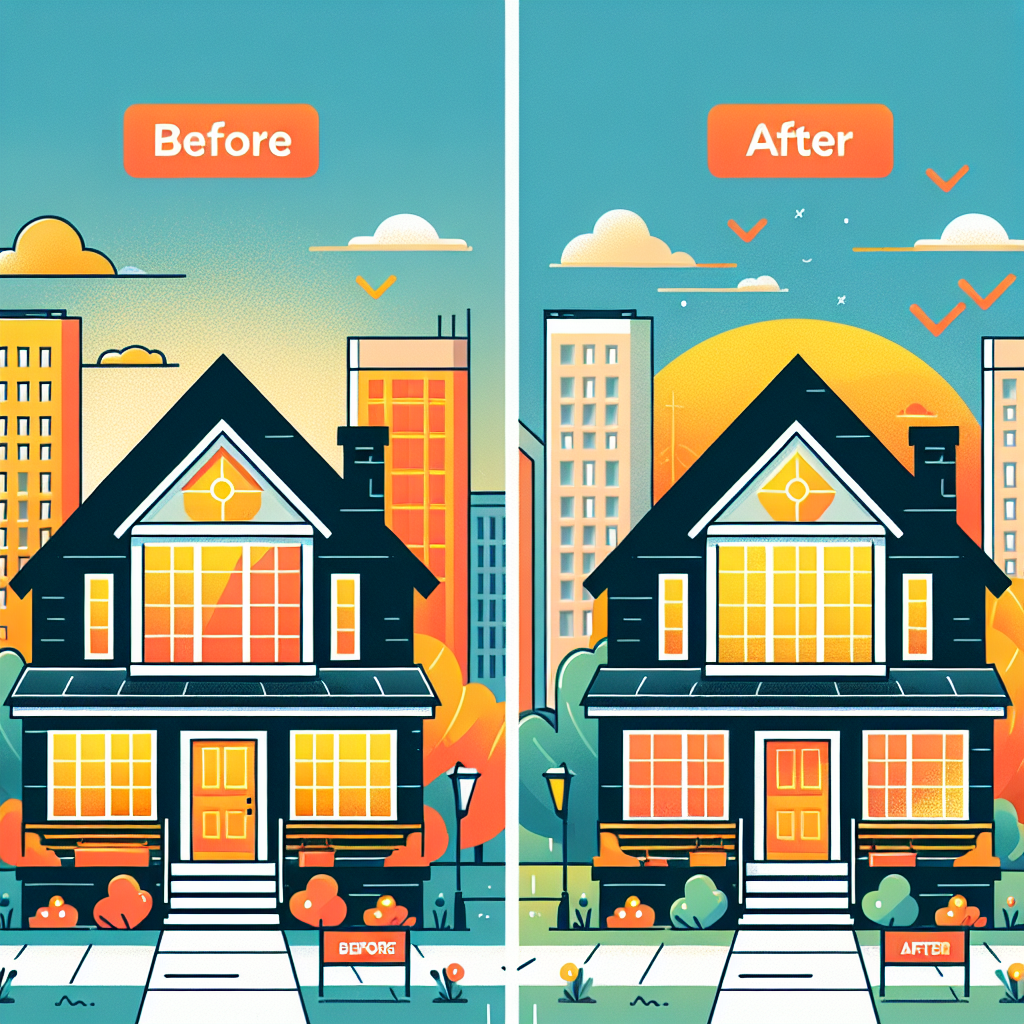
How to Create Before and After Pages That Rank and Convert Estimated Reading Time: 6 Minutes Understand the significance of before and after pages in real estate marketing. Utilize high-quality visuals and compelling narratives to tell your story. Optimize content for search engines to drive traffic and conversions. Leverage AI tools for streamlined marketing efforts. Implement strong calls to action and social proof for better engagement. Table of Contents Understanding the Importance of Before and After Pages Tips for Creating Effective Before and After Pages Challenges to Consider Takeaway FAQ Section Understanding the Importance of Before and After Pages Before and after pages serve as a visual testament to the effectiveness of your services. In the real estate and construction industries, where aesthetics and results are crucial, showcasing a transformation can significantly influence potential clients. According to various studies, visuals have a stronger impact on consumer purchasing decisions than text alone. Incorporating high-quality images and compelling narratives in your before and after pages can engage viewers and encourage them to take action. Incorporating AI for real estate and utilizing tools such as AI marketing automation can help streamline the creation and management of your content, allowing you to focus on the creative aspects while ensuring optimal organization and workflow. Tips for Creating Effective Before and After Pages 1. Choose the Right Projects Focus on projects that showcase a significant transformation. This could be anything from a property renovation, landscape overhaul, or even commercial developments. Your goal is to pick projects that tell a story—one that resonates with your target audience in Vancouver and demonstrates your expertise as a marketing agency. 2. High-Quality Images Matter Investing in professional photography cannot be overstated. Use high-resolution images that clearly depict the “before” and “after” scenarios. Use angles that capture the entire scope of the transformation. Ensure the lighting and staging in your images highlight the best features of each project. 3. Craft Compelling Narratives Accompany your visuals with engaging copy that tells the story behind the project. Describe the challenges faced, the solutions implemented, and the results achieved. Use storytelling techniques to draw readers in, making them feel invested in the transformation. This is where digital marketing techniques, including SEO optimization, come into play. Use keywords such as “real estate marketing” and “construction projects” to optimize your content. 4. Optimize for Search Engines To ensure your before and after pages rank well in search results, it’s essential to implement SEO best practices. Here are some strategies: Keyword Research: Identify keywords relevant to the project—include terms like “Vancouver construction” and “best website builder for small business” related to your services. Meta Tags and Descriptions: Utilize relevant keywords in meta titles and descriptions. These should be compelling, inviting potential visitors to click. Alt Text for Images: Use descriptive alt text for images that include keywords, helping search engines understand the content of your visuals. Internal Linking: Link to other relevant content, including your services page or blog posts within your site like this one on marketing strategies. 5. Utilize AI Tools Incorporate AI in digital marketing to help automate various aspects of your marketing strategies. AI can help with everything from analyzing data for B2B lead generation to generating marketing content tailored specifically for your audience. Tools like AI website builders can speed up the creation of your before and after pages, making it easy to implement responsive designs that work seamlessly across devices. 6. Create a Strong Call-to-Action (CTA) Every before and after page should conclude with a strong CTA. Encourage visitors to take the next step, whether that be contacting you for more information, signing up for a newsletter, or requesting a free consultation. For example, you might include a statement like, “Transform your property today. Contact us for a consultation!” 7. Utilize Social Proof Adding testimonials or case studies alongside your before and after visuals can significantly boost credibility. Social proof is a powerful motivator in decision-making processes. If clients can see tangible results paired with genuine feedback from satisfied customers, they’re more likely to trust your services. 8. Promote on Social Media After creating your compelling before and after pages, share them across your social media platforms, particularly on channels where real estate news often circulates, like Facebook and Instagram. These images tend to perform well in social media marketing, and they can drive traffic back to your website, enhancing your overall lead generation efforts. Challenges to Consider While creating before and after pages is incredibly rewarding, several challenges can arise: Balancing Quality and Quantity: Striking the right balance between how many projects to showcase versus the quality each one demands can be difficult. Consistent Branding: Ensure that every project maintains consistent branding and messaging. Actual Results vs. Perceived Results: Sometimes, the transformation may not be as dramatic in real life as it is in photos. Ensuring honesty and accuracy in representations is crucial. To ease these challenges, consider working with a professional marketing agency. At Annex Digital, we specialize in unique marketing solutions tailored for real estate professionals and developers in Vancouver. Our portfolio showcases how we’ve effectively partnered with various clients, enhancing visibility through tailored digital marketing strategies. Takeaway Creating effective before and after pages involves selecting the right projects, utilizing high-quality visuals, crafting engaging narratives, and optimizing for search engines. Leveraging AI and digital marketing tools can further enhance these pages’ effectiveness. For realtors, developers, and businesses within the construction industry, these pages should serve as a crucial part of your marketing strategy. They connect the emotional journey of transformation with the tangible results you deliver. Explore more about how we can assist you in your marketing efforts by visiting our services page. Whether you need a strong online presence or specialized campaigns, the Annex Digital team is here to help. Ready to elevate your real estate marketing strategy? Contact us today to get started! FAQ Section What are before and after pages? Before and after pages are marketing tools used to showcase transformations in projects, particularly
Enhance Your SEO with Smart Photo Naming and Alt Text

What Photo Naming and Alt Text Helps SEO Without Keyword Stuffing? Estimated reading time: 5 minutes Learn how proper photo naming and alt text can enhance SEO. Understanding the importance of photo optimization for real estate. Best practices to avoid keyword stuffing in image descriptions. Accessible alt text as an essential SEO tool. Actionable advice for real estate marketing in Vancouver. Table of Contents Understanding the Importance of Photo Optimization Why Photo Naming Matters Alt Text: The Unsung Hero of Photo SEO The Risks of Keyword Stuffing Best Practices for Image SEO in Real Estate Marketing Conclusion Understanding the Importance of Photo Optimization When it comes to marketing properties or projects, high-quality visuals are indispensable. However, merely having stunning photos is not enough. Search engines need a text-based interpretation of these images for indexing and ranking. Here’s where thoughtful photo naming and alt text come into play. Proper optimization can significantly enhance your real estate marketing efforts in Vancouver and beyond, while enabling you to connect with potential real estate leads effectively. Why Photo Naming Matters Descriptive Naming: Use clear and descriptive names for your photos. Instead of generic terms like “image1234.jpg,” opt for something more indicative of the content, such as “luxury-condo-vancouver-sea-view.jpg”. This approach helps search engines understand the context and relevance of your images. Incorporating Keywords: While you should avoid keyword stuffing, integrating natural language that includes relevant keywords is beneficial. Phrases like “modern construction design Burnaby” or “eco-friendly housing Vancouver” can subtly enhance your visibility. Readable Format: Use hyphens to separate words in photo file names. This improves readability for search engines. For instance, “open-house-vancouver-2023.jpg” is clearer than “openhousingvancouver2023.jpg”. Alt Text: The Unsung Hero of Photo SEO Alt text (alternative text) serves as a descriptive caption for images, primarily intended for accessibility. However, it doubles as an essential SEO tool, providing context in place of visuals. Be Descriptive and Specific: Alt text should describe the image’s content succinctly. For example, “open house event showcasing luxury condos in downtown Vancouver” offers a clear picture for both users and search engines. Use Relevant Keywords Sparingly: Like photo naming, alt text should incorporate keywords thoughtfully without sounding forced. Phrases such as “latest real estate trends in Vancouver” can be effective, as long as they make sense in the context of the image description. Prioritize Accessibility: Remember that alt text enhances the experience for visually impaired users. As such, always aim for descriptions that communicate the essential aspects of the image beyond just keywords. The Risks of Keyword Stuffing While it’s tempting to overload your image descriptions with keywords to boost SEO, keyword stuffing can backfire. Search engines, like Google, penalize sites that engage in this practice. Not only can this hurt your rankings, but it can also make your content less engaging for users. Here are some tactics to avoid: Use keyword variations naturally. Instead of repeating the same term, explore synonyms or related phrases. Focus on creating value for your audience. Your primary goal should be to provide relevant content that helps clients make informed decisions, particularly in the real estate sector. Monitor and evaluate your content’s performance. Adjust your photo naming and alt text strategies based on analytics revealing which terms attract organic traffic. Best Practices for Image SEO in Real Estate Marketing As a marketing agency specializing in services for realtors and developers in Vancouver, it’s crucial to provide actionable advice. Below are some practical takeaways: Conduct Keyword Research: Use tools like Google Keyword Planner or SEMrush to identify relevant keywords that resonate with your target audience. Incorporate these intelligently into your photo naming and alt text. High-Quality Images: Ensure your images are high-resolution. Blurry or low-quality visuals can deter users and negatively impact engagement metrics. Responsive Design: Optimize images for different devices. Fast loading times on mobile and desktop should be a priority. Compressed images can reduce load time without sacrificing quality. Local Relevance: Emphasize local market terms, such as neighborhood names (e.g., “North Shore luxury home”) to attract potential clients specifically searching for properties in those areas. Regular Updates: Ensure your images reflect your current listings. Regularly updating your photos with new properties can keep your website fresh and engaging, which is also a factor in SEO rankings. Utilize Internal Links: When you add photos or blogs to your site, include links to other relevant pages on your website. This not only enriches the user experience but also improves navigation and SEO. Learn about our services to enhance your online presence today. Conclusion Optimizing your images through thoughtful photo naming and careful alt text usage is essential for bolstering your SEO efforts in the real estate and construction markets. As a leading digital marketing agency in Vancouver, Annex Digital understands the unique needs of realtors and developers in effectively reaching their target audience. Remember, engaging content coupled with well-optimized images can significantly enhance your online presence, driving more organic traffic and quality leads to your site. For further insights on enhancing your marketing strategy, visit our blog and explore our diverse range of services tailored to meet your needs in real estate marketing and beyond. Interested in more tailored advice for your business? Don’t hesitate to contact us today. Together, we can elevate your marketing strategy and achieve your business goals! FAQ What is the importance of alt text in SEO?Alt text improves accessibility and provides context for search engines, making it an essential part of your SEO strategy. How can I avoid keyword stuffing in photo descriptions?Focus on natural language and provide relevant content that engages your audience, using keyword variations rather than repetition. Why is image quality important for real estate marketing?High-quality images create a positive impression and can help improve engagement metrics on your site.
How to Earn Backlinks from Vancouver’s Construction Associations
How to Earn Backlinks from Local Associations and Suppliers in Vancouver’s Construction and Real Estate Sector Estimated Reading Time: 8 minutes Key Takeaways: Earning backlinks improves your website’s credibility and SEO rankings. Engaging local associations expands your professional network and leads to collaborative opportunities. High-quality, shareable content attracts natural backlinks. Participating in local events can increase visibility and provide valuable backlinks. Leveraging social media amplifies your content reach and backlink potential. Table of Contents: Understanding Backlinks The Importance of Earning Backlinks Identifying Local Associations and Suppliers Strategies for Earning Backlinks Practical Takeaways for Realtors, Developers, and Construction Firms Conclusion and Call-to-Action FAQ Understanding Backlinks Backlinks, also known as inbound links, are links from other websites pointing to your own. They are crucial for SEO optimization, as they signal to search engines that your site is credible and relevant. According to a study by Ahrefs, 90.63% of pages get no organic traffic from Google, primarily due to a lack of backlinks. This underlines the importance of a well-structured link-building strategy, especially in competitive markets such as Vancouver. The Importance of Earning Backlinks Earning backlinks from local associations and suppliers offers numerous benefits: Improved SEO Rankings: Backlinks from respected local sources can signal to search engines that your site is authoritative, thus improving your Google SEO rankings. Increased Referral Traffic: When local associations and suppliers link to your site, they provide an avenue for their audience to discover your services, which can lead to conversions. Enhanced Local Reputation: Associating with local industry bodies can bolster your reputation and credibility within the community, paving the way for partnership opportunities and collaboration. Networking Opportunities: Engaging with local suppliers and associations enhances your professional network, which can yield numerous business opportunities. Identifying Local Associations and Suppliers Before diving into how to earn backlinks, it’s crucial to identify which local associations and suppliers are relevant to your business. In Vancouver, some of the key players in the construction and real estate sectors include: Vancouver Regional Construction Association (VRCA) Building Owners and Managers Association (BOMA) Canada Greater Vancouver Home Builders’ Association (GVHBA) Real Estate Board of Greater Vancouver These organizations often provide valuable resources, training, and networking opportunities, making them prime targets for backlink opportunities. Strategies for Earning Backlinks 1. Create High-Quality, Shareable Content Content is king in the realm of digital marketing. Creating valuable, informative content can attract local associations and suppliers to naturally link to your site. Consider creating: Guides and Resources: Develop informative guides on local regulations or trends in Vancouver real estate and construction. This can position you as an expert in the field. Case Studies: Share success stories or case studies that highlight your work within the community. Ensure they include data and insights that fellow professionals can benefit from. Infographics: Visual content such as infographics is highly shareable. Create infographics that depict market trends, industry statistics, or local economic developments related to real estate. Refer to our blog for examples on various real estate and marketing strategies that are currently trending. 2. Network and Collaborate Building relationships within your industry is invaluable. Reach out to local associations and suppliers to explore potential collaborative projects, such as: Webinars or Workshops: Offer to host an event together, providing valuable information while promoting both brands. Promote these events on your website with backlinks to both organizations involved. Guest Blogging: Write guest posts for other industry blogs or associations. This not only helps in earning backlinks but also broadens your audience. Join Local Networking Groups: Engage with industry-specific groups and attend events related to construction and real estate. Networking often leads to link-sharing opportunities. 3. Utilize Local Directories Ensure your business is listed in local business directories, especially those specific to the construction and real estate sectors. Many of these directories allow backlinks to your website: Vancouver Business Directory Yellow Pages BC Homepages Local Listings Additionally, consider reaching out to industry-specific websites like the Canadian Home Builders’ Association for potential listings. 4. Leverage Social Media Social media platforms serve as powerful tools for link generation. Share your content across your social media channels, engaging with: Local Influencers: Connect with local influencers in the real estate or construction field who can share your content and provide a backlink to your website. Community Groups: Join community Facebook groups or LinkedIn groups related to Vancouver’s real estate and construction sectors. Active participation can lead to both backlinks and relationships with potential clients. 5. Engage in Local Sponsorships and Events Sponsoring local events or charities can earn you mentions and backlinks from event pages. Consider: Industry Conferences Local Charity Events Community Festivals Check local calendars and event listing websites in Vancouver to find opportunities to sponsor events that align with your business values. 6. Build Relationships with Local Media Develop relationships with local journalists or bloggers focused on real estate and construction. They often seek expert opinions or insights for articles. Offer to provide insights or data on market trends, which they may hyperlink back to your website. 7. Monitor Your Backlinks and Competitors Utilizing tools like Ahrefs or Moz, monitor your existing backlinks and analyze competitor backlinks. Identifying where your competitors earn their backlinks can uncover new opportunities or strategies you may implement. Practical Takeaways for Realtors, Developers, and Construction Firms Implementing a robust backlink strategy can turn the tide for your business in Vancouver’s competitive real estate and construction markets. Here are some actionable insights: Invest in high-quality content creation to attract backlinks naturally. Network actively with local associations and suppliers to foster relationships that can lead to backlink opportunities. Participate in local events for sponsorship opportunities and increased visibility. Incorporate social media strategically to amplify your reach and backlink potential. Conclusion and Call-to-Action In conclusion, earning backlinks from local associations and suppliers is not just about improving your website’s SEO; it’s about cultivating relationships and enhancing your brand’s reputation within Vancouver’s real estate and construction sectors. As you implement these strategies, remember that patience and persistence are key—results take time, but they are well worth
Understanding E-E-A-T for Construction Marketing Success

What is E-E-A-T and How Can a Builder Site Demonstrate It? Estimated reading time: 5 minutes Understanding the importance of E-E-A-T for builders and realtors. Key strategies to showcase experience and expertise effectively. How to build trustworthiness and authoritativeness on your site. Importance of high-quality content and customer feedback. Ensuring website security and transparency for user confidence. Table of Contents Understanding E-E-A-T Experience Expertise Authoritativeness Trustworthiness Why E-E-A-T Matters for Builder Sites How to Demonstrate E-E-A-T on Your Builder Site Conclusion FAQ Understanding E-E-A-T Experience Experience within E-E-A-T refers to the first-hand knowledge and skills that individuals or businesses possess in their respective fields. For builders and real estate experts, showcasing experience means providing insight into past projects, highlighting customer testimonials, and demonstrating knowledge through high-quality content that addresses real-world scenarios faced by clients. Expertise Expertise relates to having a deep understanding of specific topics. For construction companies and realtors, this could mean displaying credentials, relevant certifications, and a portfolio of successful projects. By having a well-structured website that highlights these elements, businesses can convey their level of expertise effectively. Authoritativeness Authoritativeness is about being recognized as a leader or a credible source in a particular domain. For real estate professionals, this can be demonstrated through engaging in industry collaborations, contributing to well-respected publications, and earning backlinks from reputable sources. Tools like AI for real estate can help in enhancing authority by generating valuable content. Trustworthiness Trustworthiness is critical, especially when large financial investments are at stake, as in the case of real estate and construction. Having clear contact details, transparent policies, and visible customer reviews can significantly bolster trust. Businesses should also ensure their websites are secure, utilizing SSL certificates and privacy policies to enhance user confidence. Why E-E-A-T Matters for Builder Sites With search engines like Google placing a strong emphasis on quality content, E-E-A-T becomes an essential aspect of Search Engine Optimization (SEO). Implementing E-E-A-T principles can help builder sites improve their search rankings, which is crucial given the competitive landscape in Vancouver and beyond. Realtor and developer websites that embody E-E-A-T can attract more reputable organic traffic, leading to higher conversion rates and a robust online presence. How to Demonstrate E-E-A-T on Your Builder Site 1. Showcase Experience Through Case Studies One effective way to demonstrate experience is through the use of case studies on your website. Share detailed narratives about previous projects, including challenges faced and solutions provided. Incorporate visuals such as before-and-after photos and client testimonials, which can enhance credibility and engage potential clients. Action Step: Create a dedicated section on your website for case studies. Highlight various aspects such as project size, type, location (e.g., Burnaby, North Shore), and outcomes to illustrate your track record. 2. Publish High-Quality Content Invest in creating high-quality content that showcases your expertise. This can include blog posts, how-to guides, and industry reports focusing on trends in construction and real estate in Vancouver. Integrate keywords naturally, such as “real estate marketing” and “construction SEO,” to enhance visibility. Action Step: Regularly update your blog with informative articles that engage your audience. Utilize AI-generated marketing content to streamline this process while maintaining a high standard of quality. 3. Obtain and Display Accreditations and Certifications Ensure that your website prominently displays any relevant qualifications or certifications. This not only boosts your authority but also fosters trust with potential clients. For instance, showcasing partnerships with reputable organizations in the industry can also elevate your standing. Action Step: Create a “Certifications” section on your website that includes logos and details of your qualifications and partnerships. 4. Foster Customer Reviews and Feedback Encouraging and displaying customer reviews on your site can significantly enhance trustworthiness. Use various platforms such as Google, Yelp, or dedicated review sections on your site to gather and showcase customer feedback. Action Step: Implement a simple feedback form accessible after project completion; consider incentivizing feedback to encourage responses. 5. Ensure Site Security and Transparency An effective construction website must be secure and user-friendly. Use SSL certificates to secure sensitive user data and show visitors that you prioritize their safety. Draft clear terms of service and privacy policies to demonstrate transparency. Action Step: Regularly review and update your website’s security features and make policies easily accessible in the website footer. 6. Utilize Social Proof Social proof such as testimonials, reviews, and case studies help potential clients to validate your claims of expertise and trustworthiness. Prominently display this social proof on your website to build confidence in your services. Action Step: Consider integrating a testimonial slideshow on your homepage, prominently displaying satisfied client endorsements. Conclusion Incorporating E-E-A-T principles into your website is crucial, especially in a competitive space like Vancouver’s real estate and construction industry. By effectively demonstrating your experience, expertise, authoritativeness, and trustworthiness, you can create a compelling online presence that not only attracts but converts potential leads. By leveraging cutting-edge digital marketing strategies, including AI for lead generation, optimizing your site with best practices in SEO, and producing high-quality content, you can ensure that your builder site stands out. Explore how ANNEX DIGITAL Agency can help you develop an E-E-A-T-focused strategy that enhances your online presence and drives visibility in the crowded construction and real estate market. Don’t hesitate to contact us for any inquiries or to discuss how we can assist you in transforming your digital marketing approach. FAQ What is E-E-A-T? E-E-A-T stands for Experience, Expertise, Authoritativeness, and Trustworthiness. It is a framework used to evaluate the quality of web content, especially in industries where expertise is critical. How can builders demonstrate E-E-A-T on their websites? Builders can showcase E-E-A-T by highlighting their experience through case studies, publishing high-quality content, displaying certifications, fostering customer reviews, ensuring site security, and utilizing social proof. Why is E-E-A-T important for SEO? Search engines prioritize content that demonstrates E-E-A-T attributes, which can significantly impact a site’s search rankings, driving more organic traffic and potentially improving conversion rates. What role does high-quality content play in E-E-A-T? High-quality content helps establish a business’s expertise