
Why Homeowners Prefer Design-Build Construction

What Content Convinces Homeowners to Choose Design-Build Over Separate Architect and General Contractor? Estimated reading time: 5 minutes Design-build simplifies project communication and management. Educational content and visuals are key to attracting homeowners. Success stories and testimonials enhance credibility. Utilizing SEO strategies can enhance visibility in competitive markets. Engaging digital marketing can transform lead generation efforts. Table of Contents: Understanding the Design-Build Model Benefits of Design-Build What Content Attracts Homeowners? How Our Services Can Help Practical Takeaways for Homeowners Conclusion FAQ Understanding the Design-Build Model The design-build model is a holistic approach to construction in which a single entity—typically a design-build firm—handles both the design and construction phases of a project. This contrasts with the traditional method where homeowners usually engage an architect to design the project and then hire a general contractor to build it. Benefits of Design-Build Single Point of Responsibility: With design-build, the homeowner deals with a single point of contact throughout the project, simplifying communication and project management. This reduces misunderstandings and conflicts, leading to a smoother process. Streamlined Communication: The integrated design and build process facilitates seamless communication and collaboration. Cost Efficiency: Design-build projects often complete faster, with fewer cost overruns, promoting budget accountability. Faster Project Completion: Overlapping design and construction phases mean projects can proceed more quickly. Enhanced Innovation: Design-build teams encourage creative solutions and innovative designs. What Content Attracts Homeowners? In a world of information overload, content that resonates with homeowners is essential. Here’s how to make your marketing efforts stand out: Educational Blog Posts: Publish insightful articles showcasing expertise and the benefits of the design-build approach, using case studies for context. Visual Content: Use high-quality images and videos to illustrate the design-build process on platforms like Instagram and Facebook. Customer Testimonials and Case Studies: Showcase satisfied customer experiences to underscore successful outcomes. Interactive Content: Include tools that enable homeowners to estimate costs or timelines, enhancing engagement. SEO-Optimized Content: Utilize keywords effectively to help potential clients find your services in Vancouver. How Our Services Can Help At Annex Digital, we specialize in marketing solutions for the construction and real estate sectors in Vancouver. We offer tailored SEO strategies, content creation, social media marketing, and digital ad campaigns aimed at elevating your brand. Here’s how we can help: SEO Services: We position your design-build company at the forefront of search results using expert knowledge of Google SEO principles. Content Creation: We generate engaging content, from blog posts to email campaigns, that informs and drives lead generation. Social Media Marketing: Our strategies resonate with potential clients and address homeowners’ needs. Design and Development: We enhance website design and user experience, crucial for attracting homebuyers and homeowners. Practical Takeaways for Homeowners Here’s a summarized action plan: Research the benefits of design-build versus separate architect and GC processes. Look for portfolios of design-build firms to showcase their work. Seek reviews and testimonials for credible experiences. Utilize social media to gather insights on design-build advantages. Ensure the company you select is reputable and can effectively realize your vision. Conclusion Choosing a design-build approach can transform how homeowners manage construction projects. The benefits include streamlined communication, cost savings, and expedited project completion. At Annex Digital, we are dedicated to supporting architects, developers, and general contractors in crafting compelling content that resonates with homeowners. To learn more about enhancing your marketing strategy, contact us today and explore our range of services here. FAQ What is design-build construction? What are the advantages of using a design-build firm? How can digital marketing help construction businesses? Why is SEO important for design-build contractors? What is design-build construction?The design-build model integrates both the design and construction phases under one contract, improving efficiency and accountability. What are the advantages of using a design-build firm?Key advantages include streamlined communication, cost efficiency, faster project completion, and innovative solutions. How can digital marketing help construction businesses?Effective digital marketing strategies can enhance brand visibility, engage potential clients, and generate leads in a competitive market. Why is SEO important for design-build contractors?SEO practices ensure your business can be easily found online, connecting you with potential clients searching for design-build services.
Enhance SEO with FAQs for Permit Searches

How to Use FAQs to Rank for Permit Related Searches Estimated reading time: 5 minutes Understand the importance of FAQs in SEO strategy. Learn how to craft effective FAQs for permit-related searches. Discover the benefits of utilizing an FAQ section in your marketing strategy. Get practical tips on increasing traffic and boosting local SEO. Table of Contents The Importance of FAQs in SEO Strategy Crafting Effective FAQs for Permit-Related Searches Practical Example: Creating an FAQ for Building Permits Benefits of Using an FAQ Section in Your Marketing Strategy A Call to Action: Partner with ANNEX DIGITAL Agency The Importance of FAQs in SEO Strategy In the ever-evolving landscape of real estate marketing, understanding how to rank for specific queries is crucial, especially when it comes to permits and regulations that impact the construction and real estate sectors. As digital marketing continues to adapt, leveraging FAQs can be an effective strategy for enhancing online visibility and driving traffic to your website. At ANNEX DIGITAL Agency, we specialize in providing tailored digital marketing solutions for realtors, developers, and construction professionals in Vancouver and beyond. In this blog post, we will explore practical strategies on how to use FAQs to improve your SEO rankings, particularly for permit-related searches. Key Statistics to Consider 80% of consumers conduct online research before making a purchase decision, highlighting the importance of being visible during their search process (HubSpot). Voice search is rapidly growing, with 20% of mobile queries made through voice, often phrased as questions. This trend makes optimizing FAQs even more critical for businesses aiming to capture more leads in the real estate and construction markets. Crafting Effective FAQs for Permit-Related Searches To maximize the effectiveness of your FAQ section and rank high in SEO, you must focus on several key areas related to the specific permits in your jurisdiction: 1. Identify Common Questions The first step in creating an effective FAQ section is to identify the questions your target audience is asking. Utilize tools like Google Keyword Planner and Answer the Public to find commonly searched phrases related to permits. Keywords such as “how to obtain a building permit in Vancouver” or “permit requirements for construction in BC” should be your primary focus. 2. Provide Clear and Concise Answers Ensure that each answer is clear and provides value. Break down complex processes into easy-to-understand steps. For instance, if addressing how to apply for a permit, list the necessary documents, the regulatory bodies involved, and any timelines. This not only improves user experience but also keeps users engaged, reducing your bounce rate—a crucial factor in SEO rankings. 3. Use Structured Data Implementing structured data markup—particularly FAQ schema—helps search engines understand your content better. This can enhance the way your questions appear in SERPs, potentially leading to rich snippets. For instance, using structured data can clearly indicate how your FAQ answers relate to specific queries about the real estate industry. More information can be found in Google’s official guidelines on structured data. 4. Optimize with Related Keywords Incorporate relevant keywords naturally into your FAQs without sacrificing the quality of your content. For example, if addressing common permit questions, keywords such as “AI for real estate,” “digital marketing for construction permits,” and “lead generation for real estate agents” can be interwoven in a natural way. This approach not only aids SEO but connects your content to other services offered by ANNEX DIGITAL Agency. 5. Internal and External Linking Always link to other relevant articles or pages on your website, such as those detailing your services. This helps improve content authority and keeps users navigating through your offerings. Additionally, consider linking to authoritative external sources or government websites that provide information about permits in Vancouver. Practical Example: Creating an FAQ for Building Permits Let’s say you are targeting the keyword “How to apply for a building permit in Burnaby.” Here’s how an FAQ might look: Q: How do I apply for a building permit in Burnaby? A: To apply for a building permit in Burnaby, follow these steps: Gather necessary documents: This includes property title, site plan, and construction details. Visit the City of Burnaby’s official website or contact their office for specific requirements. Submit your application online or in-person at the city hall. Await confirmation from the city’s planning department, which typically takes 2-4 weeks depending on the complexity of your project. Incorporating a section like this not only provides valuable information but also positions your agency as a knowledgeable resource in the construction and real estate sectors. Benefits of Using an FAQ Section in Your Marketing Strategy Increased Traffic and Lead Generation An effective FAQ section can significantly enhance your lead generation efforts. By answering questions directly tied to user search behavior, you increase organic traffic to your site, potentially resulting in higher conversion rates. For instance, utilizing AI for lead generation can identify trending inquiries in real time, helping you stay relevant. Boost in Local SEO Incorporating local keywords like “Vancouver building permits” or “construction regulations in BC” can improve your local SEO. This is vital for businesses in the real estate market where local expertise is often a decisive factor for clients when selecting services. Credibility and Trust Being seen as an authority in your niche—offering valuable insights through FAQs—builds trust with your audience. When potential clients find accurate and detailed information, they’re more likely to choose your services over competitors. This credibility is particularly important in sectors like construction and real estate, where stakes are high. A Call to Action: Partner with ANNEX DIGITAL Agency At ANNEX DIGITAL Agency, we aim to empower real estate professionals, developers, and construction companies in Vancouver by enhancing their digital presence and optimizing their marketing strategies. Leveraging the power of in digital marketing, we help create tailored content that captures your audience effectively. Whether you’re looking for exceptional web design, SEO services, or innovative marketing strategies, our team of experts is here to help you thrive in the ever-competitive landscape of real estate. Ready to transform your
Crafting Compliant Claims for Real Estate Projects

How to Write Compliant Claims About Permits and Timelines Estimated reading time: 6 minutes Understand the regulations governing permits and timelines. Provide accurate information to maintain credibility. Be transparent about potential delays and variables. Utilize AI for compliance in your marketing efforts. Build trust with clients through clear communication. Table of Contents The Importance of Compliance in Real Estate Marketing Understanding Permits and Timelines How to Write Compliant Claims Benefits of Compliant Claims How Annex Digital Supports Compliant Marketing Conclusion FAQ The Importance of Compliance in Real Estate Marketing In Vancouver and across British Columbia, the real estate market is thriving, but with that growth comes the responsibility to maintain transparency and compliance in all communications—including claims related to permits and timelines. Non-compliance can lead to misinformation, legal repercussions, and damage to your reputation. As a digital marketing agency that specializes in the construction and real estate sectors, Annex Digital understands that clear, compliant messaging is crucial. Understanding Permits and Timelines Before diving into how to make compliant claims, let’s first define what we mean by permits and timelines: Permits are official approvals granted by local authorities that allow construction or development to proceed. They ensure that projects adhere to zoning, safety, and environmental regulations. Timelines refer to the schedules established at the outset of projects, detailing when permits will be obtained and when construction will begin and end. A compliant claim makes clear distinctions about what your business can guarantee regarding permits and timelines while factoring in potential variables that may arise along the project journey. How to Write Compliant Claims 1. Know the Regulations Before making any claims, familiarize yourself with the relevant regulations governing permits and construction timelines in your region. In Vancouver, for example, you might consult the City of Vancouver’s resources or seek legal counsel to understand legal obligations and municipal codes. 2. Provide Accurate Information When crafting claims, accuracy is non-negotiable. Stay updated on changes in permits and timelines involved in your projects. Presenting outdated or incorrect information can lead to compliance issues. Utilize resources such as the City of Vancouver’s website to check for the latest regulations and processes. 3. Be Transparent Transparency fosters trust. If you anticipate delays in obtaining permits or completing construction, communicate these potential issues with clients. You should also note that timelines can fluctuate due to various factors, including weather, supply chain issues, or unexpected regulatory changes. Consider language that reflects these variables, such as “anticipated timelines subject to change based on permit acquisition.” 4. Use Clear Language Avoid jargon and overly technical language when discussing permits and timelines. Ensure that your messaging resonates with your audience. For instance, instead of saying “We will secure all requisite documentation promptly,” consider something more direct, such as “We are diligent in obtaining all necessary permits to ensure a smooth start to your project.” 5. Offer Context When discussing timelines, provide context for your claims. For example, you can mention typical durations for various types of permits. For instance, “Residential building permits in Vancouver typically take between 4-6 weeks to process,” gives the audience a clearer idea of what to expect. 6. Integrate Supporting Documentation If possible, link to relevant documentation, regulations, or case studies in your communication. This not only bolsters your claims but also allows clients to verify the information provided. For example, reference the BC Building Code when discussing compliance. 7. Maintain Updated Internal Knowledge Incorporate an internal system for staying updated on changes in permits, timelines, and regulations, ensuring that your marketing staff and real estate agents are equipped with the most accurate information. 8. Utilize AI for Enhanced Compliance Consider leveraging AI for marketing tools to streamline the process of verifying information regarding permits and timelines. AI can aid in lead generation, automate compliance checks, and help create AI-generated marketing content that adheres to industry standards. Benefits of Compliant Claims Writing compliant claims about permits and timelines not only mitigates risks but also enhances your brand image. Here are some practical takeaways for realtors, developers, and construction professionals: Trust Building: When you present factual information, you contribute to a trustworthy brand image, encouraging clients to choose your services. Reduced Legal Risks: Compliant claims decrease the likelihood of legal challenges, fostering a smoother operation. Enhanced Marketing Efforts: Good compliance combined with digital marketing strategies can elevate your visibility, providing an edge over competitors. Better Client Relationships: Clear, honest communication builds lasting relationships with clients who appreciate transparency, making them more likely to refer others. How Annex Digital Supports Compliant Marketing At Annex Digital, we recognize the nuances involved in crafting compliant messages in the real estate and construction sectors. Our specialized services, including SEO optimization and web design targeted at real estate professionals, can help establish your brand as a knowledgeable authority. Consider our services, where we offer tailored digital marketing solutions to align with your business’s unique needs. Our expertise in real estate digital marketing ensures your messaging is accurate, engaging, and compliant. Conclusion Crafting compliant claims related to permits and timelines is more than a regulatory requirement—it’s a cornerstone of successful marketing in real estate and construction. By leveraging accurate information, transparency, and clear communication, your business can foster trust and build stronger relationships with clients. Interested in learning more about compliant marketing strategies or how Annex Digital can help you enhance your online presence? Contact us for a consultation or explore our portfolio to see how we empower businesses within the industry! By mastering the art of compliant claims, you’re not just safeguarding your business; you’re also paving the way for greater success in the competitive Vancouver real estate market. Let’s ensure your marketing is not just effective but also compliant. FAQ What are compliant claims? Compliant claims are statements made by businesses regarding permits and timelines that adhere to industry regulations and accurately reflect the scope of work being done. How can I maintain compliance in my marketing? To maintain compliance, stay informed on local regulations, provide accurate information, communicate transparently, and
Which Image Type Boosts Real Estate Conversions?

Which Photos Convert Better on Builder Sites: Progress or Finished Shots? Estimated reading time: 5 minutes Discover the impact of visuals on real estate marketing in Vancouver. Understand the benefits of using progress shots vs. finished shots. Learn actionable insights for realtors and developers. Explore how to incorporate AI into marketing strategies. Table of Contents Understanding the Power of Visuals in Real Estate Marketing The Case for Progress Shots The Benefits of Finished Shots The Impact of AI in Marketing Visuals Incorporating Research Findings into Your Strategy Conclusion FAQ Understanding the Power of Visuals in Real Estate Marketing When it comes to real estate marketing, particularly in the construction and development sectors, captivating visuals are crucial. Potential buyers and investors are likely to be swayed by what they see on websites or social media platforms. This is increasingly relevant in today’s online landscape where the right images can make or break a sale. In Vancouver, where the competitive nature of the real estate market demands high-quality marketing strategies, understanding the impact of visuals becomes even more critical. The Case for Progress Shots Progress shots show the ongoing work at a project site, revealing the transformation from foundation to finished building. These images can be particularly beneficial for several reasons: Transparency: Progress photos allow potential customers to see the craftsmanship and quality of work being put into the project. This transparency builds trust and credibility, essential components of effective lead generation. Storytelling: Using AI-generated marketing content can enhance the narrative around a project’s evolution. A series of progress photos can create a story that captivates the audience and keeps them informed about key milestones. Emotional Engagement: Potential buyers often appreciate seeing the effort put into a property. Progress shots can evoke feelings of anticipation and excitement, making viewers eager for completion. The Benefits of Finished Shots On the other hand, finished shots are a critical aspect of construction marketing and can lead to quick conversions: Visual Appeal: Images of completed buildings typically present a polished and professional appearance, showcasing what buyers will ultimately invest in. These images can be particularly powerful in social media marketing, where first impressions matter immensely. Instant Gratification: Finished properties provide viewers with a clear idea of what to expect. Many buyers in today’s fast-paced market often prefer quick resolutions, and seeing a completed project can facilitate faster decision-making. Increased Click-Through Rates: Research has shown that attractive finished shots often result in higher click-through rates on digital platforms. According to HubSpot, articles with images get 94% more views than those without. This statistic underlines the importance of leveraging SEO optimization strategies to enhance visibility and engagement. The Impact of AI in Marketing Visuals As digital marketing continues to evolve, the implementation of AI in digital marketing is becoming increasingly important. AI can assist marketers by analyzing user behavior and determining the type of visuals that resonate most with potential customers. Tools leveraging AI for lead generation and customer insights can analyze which types of images yield better results—whether they be progress shots or polished final images. Incorporating Research Findings into Your Strategy Understanding how images impact conversion rates is essential, but actual implementation matters even more. Here are some practical takeaways for your website design and content strategy: A/B Testing: Conduct A/B tests on your builder’s website by showcasing progress shots on one page and finished shots on another. Monitor the engagement metrics to see which images lead to better conversion rates. This approach allows you to leverage data-driven insights to optimize your marketing efforts. For more on effective strategy development, visit our services page. Utilize AI Tools: Consider incorporating an AI CMS (Content Management System) to facilitate the efficient processing of visual content. This technology can automatically select and feature images that are likely to engage viewers based on past performance. Develop Rich Content: Pair your images with compelling copy. Describe the journey from construction to completion, encompassing the materials used and the unique selling points of the structure. This enriched context can significantly enhance SEO and help distinguish your offerings. Seek Professional Help: Engaging a professional digital marketing agency that specializes in real estate can provide additional insights and expertise in navigating this visual dilemma effectively. At Annex Digital Agency, we offer tailored marketing solutions designed for developers and builders in the Vancouver area. Conclusion Whether your business leans toward progress shots or finished images, the key lies in understanding your target audience’s preferences and using data to inform your choices. In a market as dynamic as Vancouver’s real estate sector, combining appealing visuals with strategic marketing techniques can significantly enhance your lead generation efforts. As the landscape of real estate marketing continues to evolve with technology and consumer preferences, staying ahead requires a blend of creativity, insight, and expertise. If you’re interested in transforming your marketing strategy through compelling visuals and innovative digital tactics, our team at Annex Digital Agency is here to help. Visit our portfolio to see how we’ve assisted businesses in enhancing their online presence through optimized visuals and effective content strategies. For tailored solutions, don’t hesitate to contact us today. Let’s elevate your construction projects and real estate ventures together! FAQ 1. What type of images convert better: progress shots or finished shots? Both types have their benefits. Progress shots can build trust and emotional engagement, while finished shots offer visual appeal and immediate gratification. 2. How can AI assist in real estate marketing? AI can analyze user behavior to determine which visuals resonate most with potential customers, enhancing both content strategy and lead generation. 3. How important is A/B testing in a marketing strategy? A/B testing allows you to compare different visuals and tactics to find what drives better engagement, leading to more effective marketing efforts.
Building Effective Location Pages for Realtors and Developers

How to Build a Location Page for Each City Without Thin Content Estimated reading time: 7 minutes Understand thin content and its implications. Conduct thorough keyword research. Structure your location page effectively. Focus on quality content creation. Optimize for local SEO and user engagement. Table of Contents Understanding Thin Content and Its Implications Why Location Pages Matter for Your Business Step 1: Conduct Thorough Keyword Research Step 2: Structure Your Location Page Effectively Step 3: Focus on Quality Content Creation Step 4: Optimize for Local SEO Step 5: Encourage User Engagement Step 6: Monitor Performance and Make Adjustments Practical Takeaways for Realtors and Developers Conclusion: Crafting Location Pages that Shine FAQ Understanding Thin Content and Its Implications Thin content refers to web pages that provide minimal or no value to users. Google’s algorithm is designed to penalize such pages by diminishing their search rankings. For real estate agents, developers, and construction businesses in locations like Vancouver, Burnaby, and the North Shore, thin content can lead to missed opportunities in attracting potential leads through effective SEO optimization. A well-structured location page can elevate your online presence, engaging potential clients and improving your site’s authority. Why Location Pages Matter for Your Business Location pages are crucial for local SEO and are particularly significant in industries like real estate and construction. By targeting specific cities or neighborhoods, you can tailor your messaging and content to the audience’s needs, showcasing your services effectively. For example, if you’re a real estate marketing agency, you can provide prospective homebuyers or investors with valuable insights about the community, schools, amenities, and unique selling points of living in a specific area. Step 1: Conduct Thorough Keyword Research Before building location pages, start by understanding the keywords relevant to your target audience in each city. Utilize tools such as Google Keyword Planner or SEMrush to identify high-search-volume phrases that relate to your business. For instance, terms like “real estate marketing in Vancouver,” “construction in Burnaby,” or “real estate leads in the North Shore” could be key phrases to focus on. Remember to incorporate keywords naturally throughout your content, without overstuffing. Step 2: Structure Your Location Page Effectively An effective location page should be well-structured and easy to navigate. Here are the key components: Compelling Header: Use a clear, descriptive title for your location page, e.g., “Expert Real Estate Marketing in Vancouver” or “Top Construction Services in Burnaby.” Introductory Paragraph: Start with a brief introduction that includes your primary keyword and communicates the purpose of the page. Content Sections: Break down your content into sections that cover various important local factors: Overview of the Location: Give an engaging overview of the city, its culture, and lifestyle. Real Estate Market Insight: Include valuable information about the local real estate market trends and statistics. Services Offered: Clearly list the services you provide, such as SEO services, website design, and email marketing tailored for real estate professionals. Local Case Studies or Testimonials: Share success stories from local clients to build credibility. Clear Call-to-Action (CTA): At the end of the page, encourage visitors to contact you for more information or to explore your services further. For instance, “Contact us to learn how we can elevate your real estate marketing efforts in Vancouver!” Step 3: Focus on Quality Content Creation Avoiding thin content involves a strong emphasis on quality. Aim to provide substantial information that adds value to the visitor. Here are some content suggestions: Guides and Resources: Create localized guides that help potential customers understand things like navigating the real estate market, listing properties, or preparing for a construction project in Vancouver. Blog Integration: Link to relevant blog posts that discuss marketing tips, digital strategies, and insights into the construction industry. This can improve site authority and enhance user engagement. For more insights, visit our blog. Step 4: Optimize for Local SEO Since your target audience is location-specific, optimizing your pages for local search is critical. Here are some strategies to consider: Meta Tags and Alt Text: Use geo-targeted keywords in your meta titles, descriptions, and image alt text to boost SEO. Google My Business: Ensure your business is listed on Google My Business. Optimize your profile with your location, services, and hours of operation. Schema Markup: Implement local business schema markup to help search engines understand your business’s relevance to local queries. Step 5: Encourage User Engagement Incorporate features that enhance user interaction. Allow customers to leave reviews, share testimonials, and ask questions directly on the location page. This will not only enhance credibility but also may improve your SEO ranking due to increased engagement metrics. Step 6: Monitor Performance and Make Adjustments Using tools like Google Analytics and Google Search Console, continuously monitor the performance of your location pages. Analyze metrics such as traffic, bounce rates, and conversion rates. Use this data to refine your content, improve user experience, and adjust your SEO strategies accordingly. Practical Takeaways for Realtors and Developers Know Your Audience: Understand the unique needs and preferences of your target clientele in each specific location. Utilize Visual Content: Incorporate maps, images, and videos that highlight the areas you’re discussing. Visual content can significantly enhance user engagement and dwell time. Leverage AI in Your Strategy: Consider utilizing AI for marketing automation and lead generation. AI tools can streamline your processes and deliver personalized content to your potential clients. Hire a Digital Marketing Agency: If managing these components seems overwhelming, consider partnering with a digital marketing agency specialized in real estate and construction. At Annex Digital, we offer specialized services that can help sharpen your online presence and strategy. Conclusion: Crafting Location Pages that Shine Creating effective location pages isn’t just about filling in information; it’s about crafting an engaging user experience that informs and converts. By following the steps outlined above—conducting thorough keyword research, structuring your content effectively, optimizing for local SEO, and focusing on quality content—you can create valuable resources that resonate with your audience and position your business as a trusted authority in the real estate and
Engaging Blog Topics for Investors in Vancouver Real Estate

What Blog Topics Attract Investors for Infill and Multiplex Projects? Estimated reading time: 7 minutes Understanding infill and multiplex projects is crucial for investors. AI in real estate can enhance marketing effectiveness and engagement. Case studies provide valuable insights into successful development strategies. Effective marketing strategies are essential for attracting discerning investors. Community engagement is key to successful project acceptance. Table of Contents Introduction Understanding Infill and Multiplex Projects Key Blog Topics to Attract Investors Best Practices for Optimizing Blog Content Conclusion FAQs Introduction In the bustling urban environment of Vancouver, the real estate landscape is ever-evolving, presenting unique opportunities and challenges for investors in infill and multiplex projects. With the integration of AI in marketing, there is immense potential for realtors, developers, and construction companies to optimize their strategies and attract discerning investors. This article explores the blog topics that resonate most with these stakeholders, enhancing their knowledge and aligning with the needs of today’s competitive market. As a premier digital marketing agency, Annex Digital specializes in tailoring services for real estate agents and developers, thereby positioning them as leaders in Vancouver’s construction and real estate fields. Understanding Infill and Multiplex Projects Infill projects refer to the development within existing urban areas, utilizing under-utilized land or properties. Meanwhile, multiplex projects typically involve constructing multi-family units or developments catering to multiple tenants. Exploring blog topics related to these types of projects can provide insights into current market trends, innovative designs, zoning regulations, and financing options. Key Blog Topics to Attract Investors 1. Emerging Trends in Vancouver’s Real Estate Market Investors are always keen to know about trends that signify potential growth. Covering blog posts on the latest developments in Vancouver’s housing market, such as shifts towards sustainable living, urban density, and lifestyle amenities, can be beneficial. In addition, insights into how regulatory changes may affect infill and multiplex construction will resonate with investors. 2. The Role of AI in Real Estate Marketing Articles exploring how AI can enhance real estate marketing, including AI generated marketing content and lead generation, are essential. Topics could span the use of AI for creating engaging social media marketing campaigns designed to attract potential investors and leveraging AI for ai b2b lead generation can significantly optimize outreach efforts. 3. Case Studies of Successful Infill and Multiplex Projects Providing examples of successful developments in Vancouver can serve as a long-term reference for potential investors. These case studies can highlight aspects such as innovative design, effective project management, or clever marketing strategies that used AI consideration, creating an engaging narrative for readers. 4. Financing Strategies for Real Estate Investments Investors often seek information on viable financing options available for infill and multiplex projects. Covering topics such as funding sources, partnerships, and leveraging public incentives can highlight practical pathways for growth, offering actionable advice to your audience. 5. Navigating Zoning and Regulatory Challenges Because zoning regulations can significantly impact development projects, detailed blog posts explaining zoning laws, application processes, and strategies to navigate potential roadblocks will be highly attractive. This could include updates on policies specific to Vancouver, providing a local perspective that speaks directly to investors’ interests. 6. Sustainable Development Practices Highlight the importance of sustainability in modern construction. Topics like green building practices, and how they can be integrated into infill and multiplex projects can enhance attractiveness and increase market value. Discuss how the integration of energy-efficient technologies and innovative materials are shaping development in Vancouver. 7. Marketing Strategies for Infill and Multiplex Projects Focusing on digital strategies to enhance visibility, such as SEO optimization, targeted email campaigns, and social media marketing can help real estate agents and developers create effective marketing plans. Topics could include the importance of a well-designed real estate website or leveraging platforms like facebook advertising for advertising. 8. The Importance of Community Engagement Building successful infill and multiplex projects goes beyond just construction; community acceptance is paramount. Articles could explore how developers can engage with local residents, gather feedback, and incorporate suggestions into their plans. Best Practices for Optimizing Blog Content To ensure that the blog posts engage and attract investors effectively, consider the following best practices: Use Clear and Compelling Headlines: Make your headlines descriptive enough to command attention while integrating critical keywords like ‘real estate marketing’ and ‘Vancouver’. Incorporate Visual Elements: Use images, infographics, and charts to break up the text and illustrate key points. This enhances engagement and delivers information visually. SEO Optimization: Ensure posts are optimized for search engines using relevant keywords, meta descriptions, and alt text for images. This enhances visibility for terms like ‘best website builder for small business’ and ‘SEO services’. Call-to-Action: End each blog with a clear CTA encouraging readers to contact your agency for more information on marketing strategies, website design, and digital marketing solutions. Calls-to-action may include links to our services at Annex Digital Services and our portfolio at Our Work. Conclusion As the real estate market in Vancouver continues to evolve, understanding what engages investors for infill and multiplex projects becomes crucial. By addressing the outline of relevant blog topics and utilizing effective marketing strategies—particularly through the lens of AI and digital marketing—real estate professionals can attract crucial investor interest. Investors and developers should position themselves favorably in this vibrant market through informed research, engaging content, and seamless marketing techniques. For expert assistance in formulating these strategies, connect with us at Annex Digital Agency and discover how we can elevate your marketing efforts and drive successful projects in Vancouver. Call to Action: Interested in taking your real estate marketing to the next level? Explore our rates or contact us for a consultation today! FAQs 1. What is an infill project?Infill projects involve developing on under-utilized land or properties within existing urban areas. 2. How does AI benefit real estate marketing?It enhances marketing efforts through automation, targeted campaigns, and engaging content creation. 3. Why is community engagement important in real estate development?It helps gain acceptance for projects and builds positive relationships with local residents. 4. What are key financing strategies
Using Project Case Studies to Attract Higher Budget Clients

How to Use Project Case Studies to Win Higher Budget Clients Estimated Reading Time: 6 minutes Build credibility and trust with tangible proof of your work. Engage prospective clients through storytelling with visuals. Optimize case studies for SEO to improve online visibility. Distribute case studies across multiple marketing channels. Utilize AI-driven solutions to streamline your marketing efforts. Table of Contents Understanding the Importance of Case Studies Crafting a Compelling Case Study Best Practices for Publishing and Promoting Case Studies Practical Takeaways for Clients Conclusion FAQ Understanding the Importance of Case Studies Project case studies are detailed accounts of past projects that outline the challenges faced, solutions implemented, and the results achieved. Here are some reasons why they hold significant value: Builds Credibility: Case studies serve as tangible proof of your capabilities. When potential clients see successful outcomes from previous work, it establishes trust and confidence in your services. Demonstrates Expertise: For real estate agents, developers, and construction firms, showcasing your specific skills and domain knowledge through case studies can set you apart from the competition. Engages Prospective Clients: Well-crafted case studies engage readers by telling a narrative. This storytelling approach can be particularly effective in the visually rich fields like construction and real estate. SEO Optimization: Including relevant keywords in case studies enhances your digital marketing efforts. Search engines favor quality content, which can help drive traffic to your website and improve your position in search results. Crafting a Compelling Case Study Step 1: Identify a Target Project Choose a project that exemplifies your best work or a situation where you overcame significant challenges. Projects that had a notable impact or were completed under tight budgets or timelines are particularly compelling. Step 2: Detail the Challenge Clearly outline the challenge or problem your client faced before your engagement. Be specific about the issues at hand—whether they were related to budget constraints, site limitations, or resource management. Step 3: Showcase Your Solution This section should be the heart of your case study. Explain the strategies you implemented to solve the problem. Did you employ AI for lead generation? How did ai automation tools play a role in streamlining processes? Highlighting the use of innovative solutions, such as ai for real estate, emphasizes modern techniques relevant to today’s market. Step 4: Present the Outcome Conclude with the results achieved. Numbers speak louder than words, so include statistics or metrics that showcase your success. Did you increase sales, improve completion time, or enhance ROI for your client? Step 5: Incorporate Visuals In the construction and real estate fields, visuals can enhance narrative impact. Incorporate images, infographics, or videos to illustrate your points visually and provide a more engaging experience for readers. Best Practices for Publishing and Promoting Case Studies Optimize for SEO To boost visibility, use SEO techniques throughout your case studies. Use relevant keywords such as real estate marketing, SEO services, and AI for real estate to ensure your project case studies attract the right audience. Strategic use of internal linking, such as connecting to your services pages, can also improve site navigation and user experience. Distribute Across Multiple Channels Promote your case studies on various platforms, including your social media profiles and email marketing campaigns. Use targeted Facebook advertising to reach specific demographics, including potential clients in the Vancouver area, thereby maximizing relevance and engagement. Leverage Content Creation Consider converting your case studies into different formats, like video breakdowns or podcasts, to reach a wider audience. Platforms like Instagram and LinkedIn are particularly effective for B2B lead generation in real estate and construction. Utilize Email Campaigns Incorporate case studies into your email campaign strategy. Craft targeted email campaigns that highlight specific case studies relevant to your audience segments, enhancing your outreach while showcasing your work. Practical Takeaways for Clients For Realtors, developers, and construction firms, implementing project case studies can significantly boost your marketing efforts. Here are actionable insights to apply: Show off Real Results: Highlighting actual results from previous projects demonstrates your ability to deliver on promises, which is critical for attracting high-budget clients. Connect with Your Audience: Utilize case studies to tell stories that resonate with your target clientele. Align your narratives with their specific pain points and needs. Invest in Digital Marketing Services: Engaging a digital marketing agency with expertise in real estate and construction can help you craft and promote compelling case studies effectively, ensuring you’re reaching the right audience through optimized channels. Explore AI Solutions: Consider integrating AI-driven technologies into your case study process—whether through ai cms or marketing automation tools—to streamline your workflow and enhance overall efficiency. Ongoing Learning: Keep an eye on industry trends and case studies from other successful agencies to continually refine your approach. Embrace innovative methods like ai marketing to stay ahead in a fast-evolving landscape. Conclusion Leveraging project case studies is a powerful strategy to win higher budget clients in Vancouver’s competitive real estate and construction markets. By demonstrating your expertise, enhancing trust, and engaging prospective customers through well-crafted narratives, you can position your agency as a leader in the industry. If you’re ready to elevate your marketing strategy and craft compelling project case studies that resonate with your audience, our team at Annex Digital Agency is here to help. With our expertise in SEO optimization, content creation, and digital marketing tailored for the real estate and construction sectors, we can provide the tools you need to succeed. Contact us today to explore our services and discover how we can enhance your marketing efforts. For more insights, check out our blog for additional resources and case studies to guide you on your path to success! FAQ What are project case studies? Project case studies are detailed accounts of past projects highlighting challenges, solutions, and outcomes. How can case studies help my business? They build credibility, demonstrate expertise, engage potential clients, and improve SEO. What should I include in a case study? Include the project challenge, your solution, results achieved, and supporting visuals. How do I promote my case studies?
Understanding Cost Per Lead in Vancouver’s Residential Market
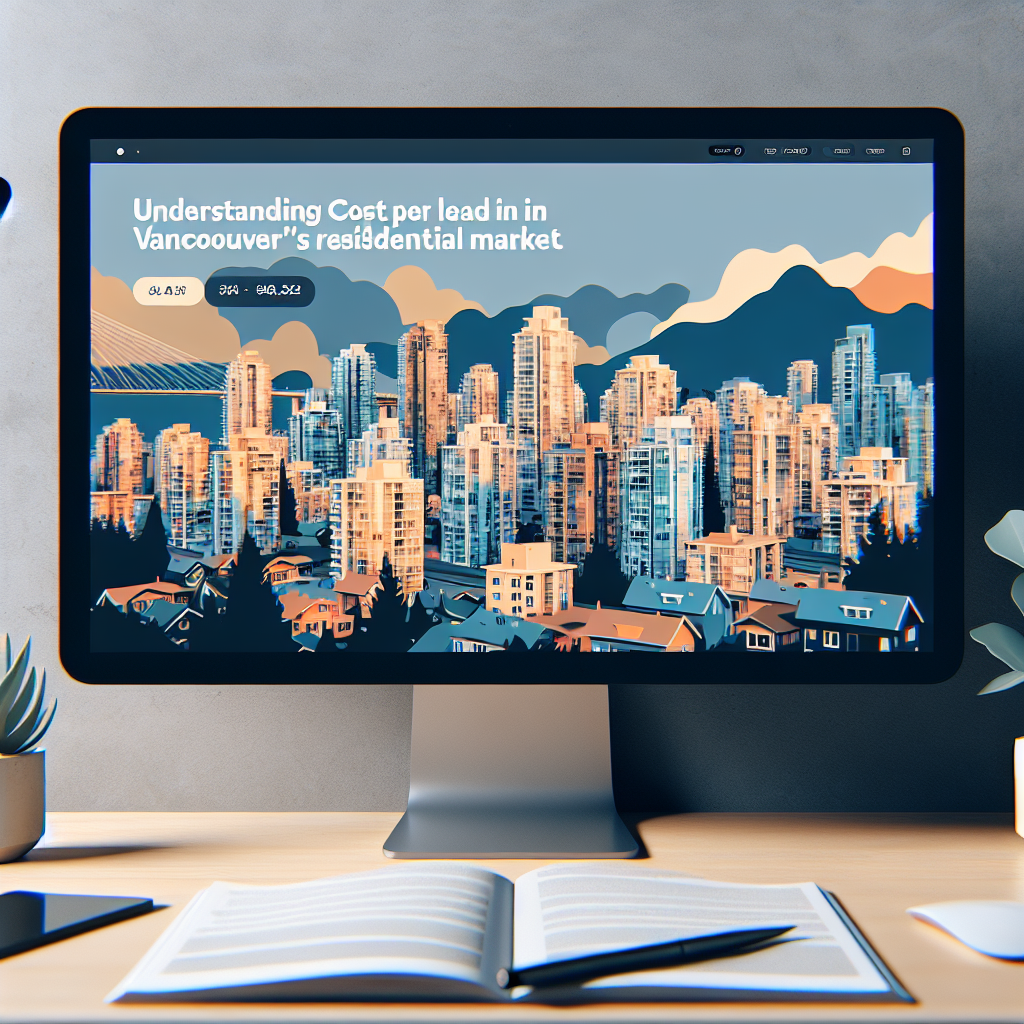
What is a Good Cost Per Lead for Residential Construction in Vancouver? Estimated Reading Time: 5 minutes Key Takeaways: Understanding the average cost per lead in the residential construction market in Vancouver is essential for success. Utilizing AI can significantly enhance lead generation and marketing efforts. Investing in quality content and optimizing website design can reduce CPL. Effective use of social media and email marketing remains critical for outreach and engagement. Table of Contents Understanding Cost Per Lead (CPL) in Residential Construction Average CPL in Vancouver’s Residential Construction Market The Role of AI in Lead Generation Strategies to Reduce Your Cost Per Lead Conclusion FAQ Understanding Cost Per Lead (CPL) in Residential Construction Cost per lead represents the price a business pays to acquire a prospective customer who shows interest in their service or product. In the residential construction industry, CPL can significantly vary based on various factors, including the marketing channel used, geographic location, and market dynamics. Average CPL in Vancouver’s Residential Construction Market According to industry insights, the average cost per lead for the residential construction sector in Vancouver can range from CAD 55 to CAD 150. For example, leads generated through paid advertising (like Facebook advertising or Google Ads) typically have higher CPL due to competitive bidding. In contrast, organic leads cultivated through SEO optimization and content marketing can be much lower. However, a good CPL is not solely determined by cost; it’s also about the quality of the leads generated. Therefore, focusing on high-quality leads—those likely to convert into clients—can prove more beneficial than simply chasing lower costs. The Role of AI in Lead Generation Artificial intelligence is revolutionizing the way businesses approach lead generation, including in the real estate and construction sectors. Here are some key ways AI can enhance your lead generation efforts: AI for Digital Marketing Using AI for digital marketing strategies allows realtors and developers to analyze vast amounts of data quickly. This can help businesses understand customer behavior, preferences, and predict future actions. With AI-driven analytics, you can tailor your marketing campaigns to better target specific demographics amidst Vancouver’s diverse real estate market. AI Automation Tools AI automation tools can streamline various marketing processes—from managing social media marketing to automating email campaigns. With AI marketing automation, real estate professionals can nurture leads more effectively, improving overall engagement and conversion rates. For instance, platforms utilizing AI CMS (Content Management Systems) can suggest personalized content to potential leads, enhancing the chances of capturing their interest. AI for Real Estate Leads AI for real estate also aids in lead qualification, helping businesses differentiate between warm and cold leads. This capability ensures that your sales team focuses on high-potential prospects, ultimately reducing the overall cost per lead and improving ROI. Strategies to Reduce Your Cost Per Lead As we examine ways to improve CPL in the Vancouver residential construction market, here are some practical takeaways you can implement: Invest in Quality Content Creation Content is king in the realm of real estate marketing. By creating engaging, high-quality content tailored to the needs and preferences of your target audience, you can improve organic lead generation. Blog posts on real estate topics, community highlights in Vancouver, and project showcases are great ways to draw potential customers in. Leveraging SEO strategies will ensure that your content ranks well on search engines, attracting more visitors organically. Optimize Your Website Design for Conversion Your website serves as the first impression for potential leads. Investing in effective web design, including a responsive interface and user-friendly navigation, can lead to higher conversion rates. Optimize your site with clear calls-to-action, informative landing pages, and streamlined forms for capturing leads. Utilize Social Media Channels In today’s digital age, social media platforms are invaluable for lead generation. By strategically leveraging platforms like Facebook, LinkedIn, and Instagram, you can reach potential clients in Vancouver and beyond. Use targeted ads, engage with your audience through posts, and participate in relevant discussions to build brand awareness. Leverage Email Marketing Email marketing remains one of the most cost-effective avenues for lead generation. Regular email campaigns offering valuable insights, market updates, and newly available residential projects can keep your brand top of mind for potential clients. Personalize your emails using data-driven insights facilitated by AI for maximum efficiency. Conclusion Determining a good cost per lead for residential construction in Vancouver requires a comprehensive understanding of both the local market conditions and the best practices in digital marketing. By adopting advanced technologies like AI and integrating targeted marketing strategies, real estate professionals can refine their lead generation efforts. At Annex Digital, we specialize in delivering tailored marketing solutions for the construction and real estate sectors. With our expertise in digital marketing, website design, and SEO optimization, we can help you navigate the complexities of lead generation while effectively managing your marketing budget. Ready to enhance your lead generation strategies? Explore our services or contact us to see how we can assist you in achieving your business goals. For more insights and resources on marketing in real estate and construction, visit our blog to stay updated with the latest trends and strategies. FAQ What is considered a good cost per lead in Vancouver’s construction industry? A good cost per lead can range between CAD 55 to CAD 150, depending on the source and quality of the leads. How can AI improve lead generation strategies? AI for lead generation allows businesses to analyze customer data efficiently, personalize marketing efforts, and automate various processes to enhance engagement. Why is content creation important for reducing CPL? High-quality content enhances organic lead generation, attracting more potential clients without incurring high advertising costs. What role do social media channels play in lead generation? Social media channels allow businesses to engage directly with potential clients, increase brand awareness and generate leads through targeted advertising. How can email marketing contribute to successful lead generation? Email marketing keeps potential clients informed about market updates and new projects, keeping your brand top of mind and encouraging conversions.
Maximize Phone Call Leads from Google Ads

How to Track Phone Call Leads from Google and Ads Estimated reading time: 5 minutes Phone call leads are essential for improved marketing strategies. Utilizing call tracking software enhances lead attribution. Dynamic Number Insertion effectively tracks call origins. Online advertising and local SEO can significantly boost call leads. Analyzing call tracking data leads to better ROI assessment. Table of Contents Understanding the Importance of Tracking Phone Call Leads Best Practices for Tracking Phone Call Leads Call Tracking for Online Advertising Analysing Your Call Tracking Results Elevating Your Marketing Efforts in Vancouver Call-to-Action FAQ Understanding the Importance of Tracking Phone Call Leads Phone call leads are not just any leads; they often represent the highest quality audience for businesses. A study by Google indicates that 70% of mobile searchers call a business directly from the search results (source: Google). This means that potential clients are eager to explore your services or ask crucial questions—all just one call away. Given that many real estate transactions are time-sensitive and relationship-driven, understanding how to track and analyze these calls can lead to improved marketing strategies, better customer service, and ultimately, higher conversion rates. As a marketing agency specializing in digital marketing solutions for the real estate and construction sectors, it’s essential to grasp the methods available to optimize lead tracking. Best Practices for Tracking Phone Call Leads 1. Use Call Tracking Software Call tracking software allows businesses to attribute phone calls to specific campaigns or sources. By utilizing tools like CallRail, CallTrackingMetrics, or Google Voice, you can assign unique phone numbers to your online ads, SEO strategies, or even social media campaigns. This will provide insights into which channels are generating the most leads: Analyze call duration, frequency, and outcomes. Evaluate which ads are performing best in generating phone calls. 2. Implement Google Ads Call Tracking Google Ads offers a built-in call tracking feature that integrates directly with your ad campaigns. When using this feature, be sure to: Set up conversion tracking for phone calls. In your Google Ads settings, you can specify what constitutes a conversion—often defined by the duration of the call (typically over 30 seconds). Connect Google Analytics with Google Ads. This integration allows you to see how your paid ads perform alongside organic search efforts (source: Google Ads Help). 3. Utilize Dynamic Number Insertion (DNI) Dynamic Number Insertion is a technique used to display different phone numbers to users based on their referral source. This means that: Users who arrive from Google Ads might see one phone number, while those coming from organic search see another. This allows you to track the origin of each phone call definitively. 4. Link Call Tracking with CRM Integrate your call tracking software with your Customer Relationship Management (CRM) system. This step ensures that you can not only track who called but also understand the context. Record notes and track follow-ups. By linking leads directly into your CRM, you can enhance your lead management process, which makes following up more straightforward for realtors and developers. Automate lead assignment to relevant agents. Ensure each lead is routed appropriately for optimum engagement. 5. Monitor Call Quality Not all leads are created equal; analyzing the quality of each call is crucial. You can regularly assess the calls to identify patterns and areas for improvement. For example, are leads asking similar questions? Is there a pattern in the closing rates of agents who handle those calls? By investing time in quality assurance, businesses can tailor their marketing strategies to better suit the needs of potential leads. Call Tracking for Online Advertising Online advertising is perfect for driving phone leads, especially in the context of real estate and construction in Vancouver. Here are some targeted strategies to maximize call tracking in online advertising: 1. Facebook Advertising Facebook Ads can be an effective tool for generating phone leads. Make sure to: Use Call-to-Action buttons specifically designed for phone calls. Users can interact with a single tap, making it easier for them to reach out (source: Facebook Business). Analyze performance metrics from the ads dashboard, focusing predominantly on leads that convert through calls. 2. Local SEO for Phone Leads For local businesses, including real estate and construction firms, optimizing for local search is paramount. This can be done by: Creating local listings on Google My Business and ensuring that the phone number is prominently featured. Encouraging reviews, which can enhance visibility in local searches and drive more phone calls. 3. Implement an SMS Marketing Strategy SMS marketing can harness the immediacy of text communication. Sending out SMS campaigns can lead to improved lead generation, particularly when users are prompted to call. Here’s how: Include an easy call button in content shared via SMS. Leverage SMS reminders, especially for upcoming open houses or project showcase events. Analysing Your Call Tracking Results After implementing the call tracking systems, the next step is thorough analysis: Identify trends and patterns in lead activity and feedback. Examine when the majority of leads are calling, what inquiries they have, and how they heard about your business. Assess the return on investment (ROI) from various marketing channels. A high number of leads from a specific ad might justify increasing the ad budget. Elevating Your Marketing Efforts in Vancouver For realtors, developers, and construction companies in Vancouver, mastering call tracking from Google and ads is essential for sustained growth. Not only does it provide concrete data to improve marketing efforts, but it fosters lasting connections with potential clients. At Annex Digital, we offer comprehensive digital marketing services focused on empowering businesses in real estate and construction. Our deep understanding of Vancouver market dynamics allows us to offer strategic guidance backed by data-driven insights. Call-to-Action Ready to unlock the potential of your phone call leads? Explore our diverse range of services tailored for the real estate and construction sectors and see how we can guide you towards better lead generation and marketing strategies. Visit us at Annex Digital or contact us for more information! By embracing the methodologies outlined
Best Practices for Capturing Client Reviews in Real Estate

How to Capture and Publish Client Reviews Without Risk Estimated reading time: 5 minutes Client reviews are crucial for building trust in real estate and construction. Timing and simplicity enhance the chances of receiving reviews. Automation and follow-ups can streamline the review process. Seek permission and ensure authenticity when publishing reviews. Engagement with clients post-transaction increases repeat business. Table of Contents The Importance of Client Reviews in Real Estate and Construction Step-by-Step Guide to Capturing Client Reviews How to Publish Client Reviews Without Risk Practical Takeaways for Realtors and Developers ANNEX DIGITAL’s Expertise in Client Review Management Call to Action FAQ The Importance of Client Reviews in Real Estate and Construction Client reviews are one of the most influential marketing tools a real estate agent or a construction developer can utilize. According to a study conducted by BrightLocal, 93% of consumers read online reviews before making any purchase decision. This statistic rings true for the real estate and construction sectors in Vancouver, where prospects often rely on the experiences of past clients to decide who to trust. Furthermore, when it comes to digital marketing, genuine reviews can significantly enhance search engine optimization (SEO). Including real client feedback boosts your content quality, potentially improving your Google SEO rankings. In the thriving markets of Vancouver, Burnaby, and the North Shore, leveraging client testimonials can give you the edge you need in click-through rates. Step-by-Step Guide to Capturing Client Reviews 1. Timing Matters The timing of your request for a review is crucial. The best moment to ask for feedback is shortly after a successful transaction or project completion. At ANNEX DIGITAL Agency, we recommend sending out review requests via email right after the closing of a deal or the completion of a construction project. Providing an email campaign can be an effective method to request reviews. Ensure the email template is warm, appreciative, and straightforward, making it easy for clients to respond. 2. Make It Simple Simplifying the review process can drastically improve the quantity of responses you receive. Leverage user-friendly platforms like Google Reviews or social media sites where clients are already active. Encourage clients to leave feedback on these platforms, guiding them with specific questions to answer. This can help shape their responses positively and provide insights that are valuable for others in your industry. 3. Utilize Automation Tools With advances in AI automation, real estate agents can leverage technology to streamline the review request process. AI-driven CRM systems can automatically send personalized emails post-transaction, reminding clients to share their experiences. This approach not only saves time but also increases your chances of gathering feedback without much effort. 4. Follow-Up Sometimes, clients may forget to leave a review. A gentle reminder email or a follow-up SMS marketing campaign can nudge them towards completing this important action. Make it a habit to follow up consistently but respectfully, ensuring that clients do not feel overwhelmed or pressured. 5. Incentivize Feedback To encourage more client reviews, consider offering small incentives like discounts on future services or entry into a draw for a gift card. While this can be a useful tactic, it’s essential to ensure that this practice aligns with the policies of the platforms you’re using for reviews. Not all places allow incentivized reviews, so check their guidelines before proceeding. How to Publish Client Reviews Without Risk Once you’ve gathered reviews, the next step is to publish them carefully. Here are best practices to consider: 1. Seek Permission Permission should always be sought from clients before publishing their reviews, especially if you plan to use their names or specific identifiers. A simple follow-up email requesting clear consent can help mitigate legal risks. 2. Be Authentic Authenticity is vital; posting fake testimonials can lead to legal trouble and damage your reputation irreparably. Make sure the reviews reflect real, personal experiences. Avoid altering the content or tone of client feedback, as this can mislead prospective clients. 3. Monitor the Content Keep a close eye on the reviews you receive. If a review contains information that could be perceived as confidential or harmful, you may need to request a revision or decide against publishing it. Being proactive in monitoring content can prevent potential fallout. 4. Highlight a Range of Reviews While it’s essential to showcase positive reviews to enhance your reputation, including a balanced view of both good and bad reviews allows potential clients to see that your business has authenticity and transparency. Make sure to respond to any negative feedback professionally and constructively, displaying your commitment to bettering the client experience. 5. Use Appropriate Channels for Publishing Different platforms hold varying levels of credibility and reach. Websites dedicated to real estate or relevant industry forums can be ideal for posting reviews. We at ANNEX DIGITAL suggest diversifying your review publication strategy across social media and your own website to reach a wider audience. Practical Takeaways for Realtors and Developers Collect Feedback Consistently: Implementing an organized system for gathering reviews can yield qualitative insights that help you improve your services. Leverage Technology: Implement marketing automation tools that utilize AI for efficient review generation and management. Build a Comprehensive Online Presence: Aim for a robust digital marketing strategy that uses testimonials to increase your visibility in the competitive Vancouver real estate market. Engage with Clients: Maintain an ongoing dialogue with clients post-transaction; it doesn’t end when the deal closes. Happy clients can lead to repeat business and referrals. ANNEX DIGITAL’s Expertise in Client Review Management At ANNEX DIGITAL, we specialize in providing tailored digital marketing solutions for real estate agents, developers, and construction companies. From website design to SEO optimization, our services are geared towards helping you effectively capture and publish client reviews while ensuring compliance with industry best practices. With our deep understanding of the demands of the real estate and construction sectors, we can help you build a sustainable strategy for client engagement that results in a good pipeline of leads and growth for your business. Call to Action Ready to elevate your